Protect People First
Keep people away from electrical hazards, unstable building components, contaminated materials, standing water, broken glass, active fire conditions, and areas that may no longer be safe to enter.
Crain Bros Inc provides complete Property Damage Restoration services for homes and commercial buildings, including water damage restoration, fire and smoke damage restoration, storm damage restoration, and mold damage restoration. Family owned and operated since 1984, we respond to urgent property damage, inspect and document affected conditions, clean and dry damaged areas, design the repair plan, perform the applicable building trades, and carry repairs and reconstruction through completion. We are based in Jonesboro and serve Paragould, Brookland, Walnut Ridge, Harrisburg, and communities throughout Northeast Arkansas.
Property damage can affect several materials and building systems at once. Crain Bros Inc begins by identifying the immediate risks, documenting the affected areas, and determining whether the property needs emergency protection, a focused building inspection, or a broader inspection and diagnostic review that connects the findings to a property-specific restoration plan.
Damage can leave a property owner trying to make several decisions at once. This guide explains the immediate priorities and the information that helps move a damaged building toward a complete restoration.
Discuss the Damage to Your PropertyKeep people away from electrical hazards, unstable building components, contaminated materials, standing water, broken glass, active fire conditions, and areas that may no longer be safe to enter.
Arrange emergency property protection when water is still entering, the building is open to weather, materials remain wet, or damaged openings leave the property unsecured.
Photographs, measurements, moisture readings, affected-area records, and written observations help establish what happened and what the restoration must address.
Visible damage may continue behind walls, above ceilings, beneath flooring, inside insulation, through mechanical systems, or into adjoining rooms and assemblies.
The restoration should address the condition that damaged the property as well as the materials and building systems affected by it.
Some materials can be cleaned, dried, or restored. Others must be removed so concealed damage can be reached and the remaining structure can be treated properly.
Drying, cleaning, and remediation should be evaluated before new finishes conceal the work area. Verification gives the rebuild a sound starting point.
The scope should connect emergency work, inspection findings, selective removal, cleaning or remediation, drying when required, repairs, trade coordination, code requirements, reconstruction, and final inspection.
The property owner should receive organized information showing documented conditions, the approved work, project progress, completed restoration, and final property conditions.
A complete restoration moves in a deliberate order: protect the property, investigate the cause and extent, remove water or damaged materials when required, clean and dry affected areas, verify conditions, and complete the necessary repairs. When several trades are involved, coordinated repairs and reconstruction keep the work tied to one restoration scope instead of a collection of disconnected repairs.
Every damaged property is different, but a complete restoration follows a deliberate path. Some projects need every step while others need only the work supported by the actual conditions.
Plan the Complete RestorationIdentify active hazards, continued water entry, open building areas, unstable components, and other immediate conditions. Emergency protection may include water removal, board-up, roof tarping, temporary enclosure, access control, or stabilization.
Inspect the affected rooms, building systems, structural components, exterior envelope, contents, and accessible concealed areas to establish what is damaged and how far the damage extends.
Record photographs, measurements, readings, affected areas, material conditions, and inspection findings. Organize that information so the property owner can understand the condition and the work being recommended.
Determine how the damage occurred, how it moved through the property, and which connected assemblies or systems must be addressed so the restoration does more than cover the visible symptom.
Develop the restoration around the verified conditions. The plan coordinates mitigation, selective removal, cleaning or remediation, drying when required, code considerations, trade dependencies, materials, repairs, reconstruction, inspections, and documentation.
Remove materials that cannot be restored and open the areas needed to reach concealed damage. Controlled removal protects unaffected areas while preparing the property for cleaning, drying, remediation, and repair.
Clean affected surfaces, address residue or contamination, correct moisture-related conditions, and dry materials that will remain. The exact work depends on whether the property was affected by water, fire and smoke, mold, storm-created openings, or more than one condition.
Evaluate readings, cleaned surfaces, remediated areas, exposed assemblies, and remaining materials before reconstruction begins. Independent testing may be coordinated when the project requires it.
Complete the approved framing, roofing, siding, window, door, insulation, drywall, flooring, painting, cabinetry, mechanical, electrical, plumbing, and finish work needed to restore the property.
Review the completed work, address remaining project items, document the repaired and reconstructed conditions, and provide the property owner with the project information developed through the restoration.
Water intrusion from a roof leak, plumbing leak, appliance leak, water heater leak, toilet leak, burst pipe, or broken pipe can travel beyond the first visible stain. Crain Bros Inc provides water removal, extraction, structural drying, and water damage repairs according to the materials and areas affected.
When the source or path is not obvious, leak detection can help trace where the water began and how it moved through the building before finishes are removed or repaired. That investigation helps separate the visible damage from the condition that caused it.
If the loss began with a failed supply or drain component, Crain Bros Inc can coordinate pipe or plumbing repairs connected to the restoration. Appliance, water-heater, and toilet leaks are described as causes of property damage, not as standalone appliance-repair services.
Water can move beyond the room where it first became visible. The restoration must stop the source, establish the affected area, remove materials that cannot remain, dry the structure, and repair the property after drying is verified.
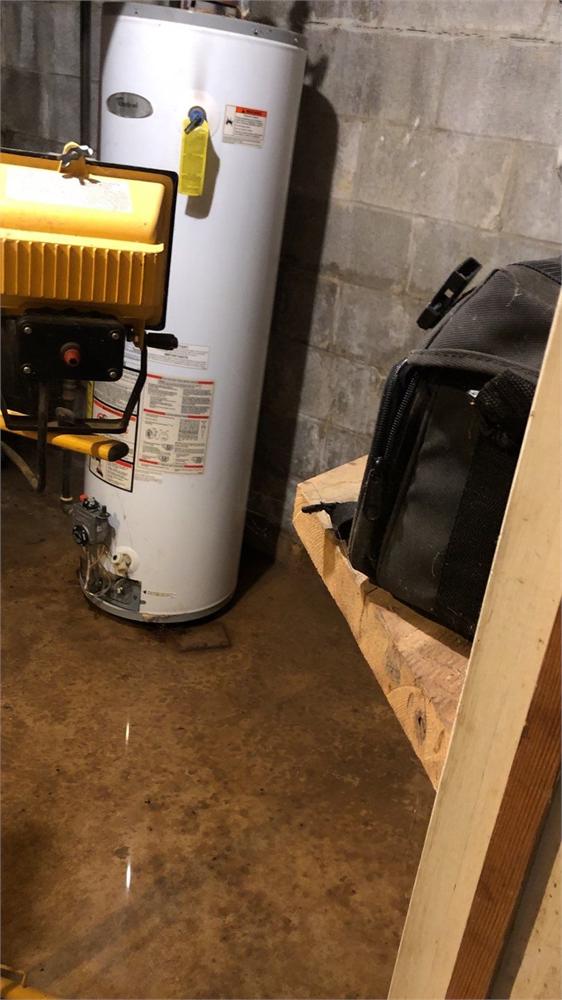
Standing water requires prompt removal and a broader inspection of the affected structure. The restoration continues by documenting moisture, evaluating materials, drying what can remain, and planning the necessary repairs.
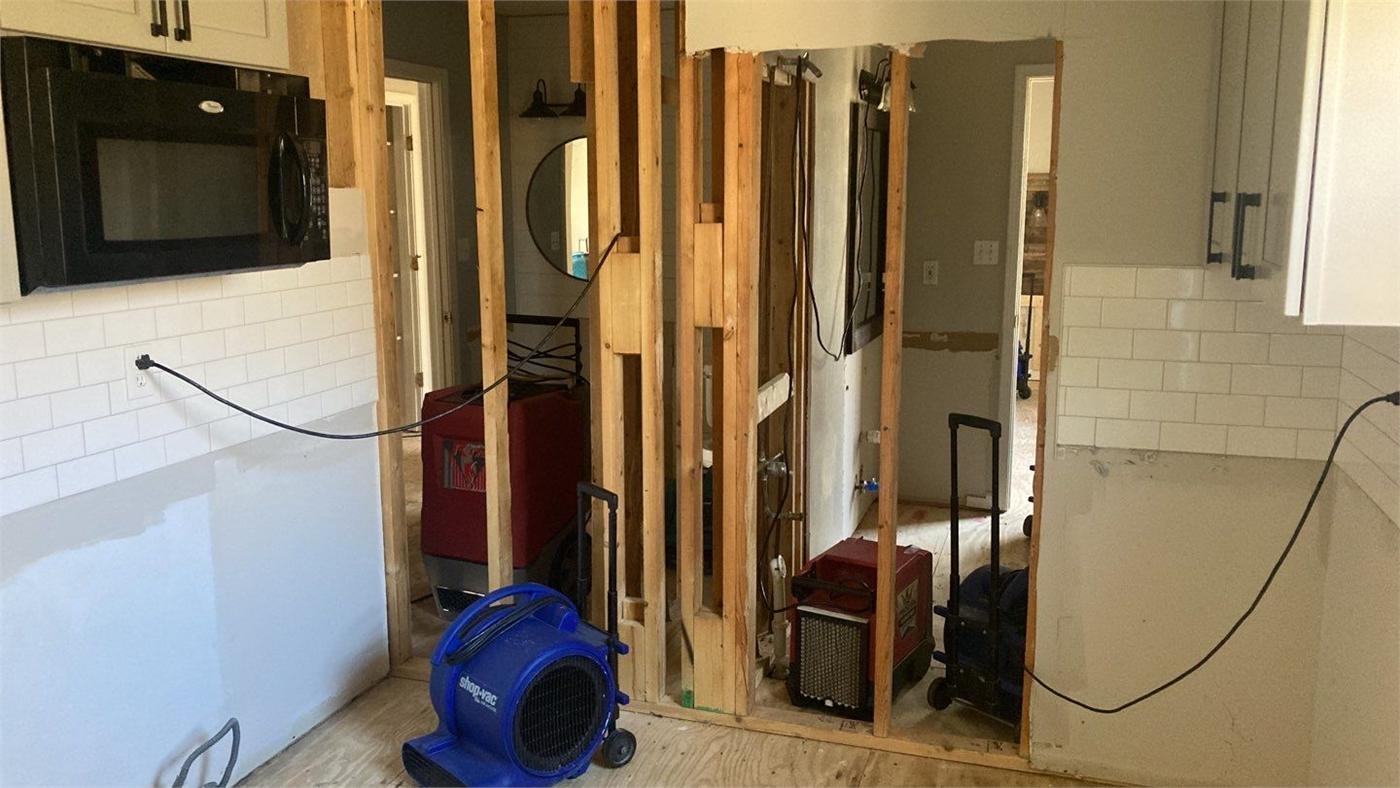
Drying equipment is arranged around the actual affected materials. Moisture readings and property conditions guide the work until the materials that will remain are ready for restoration.
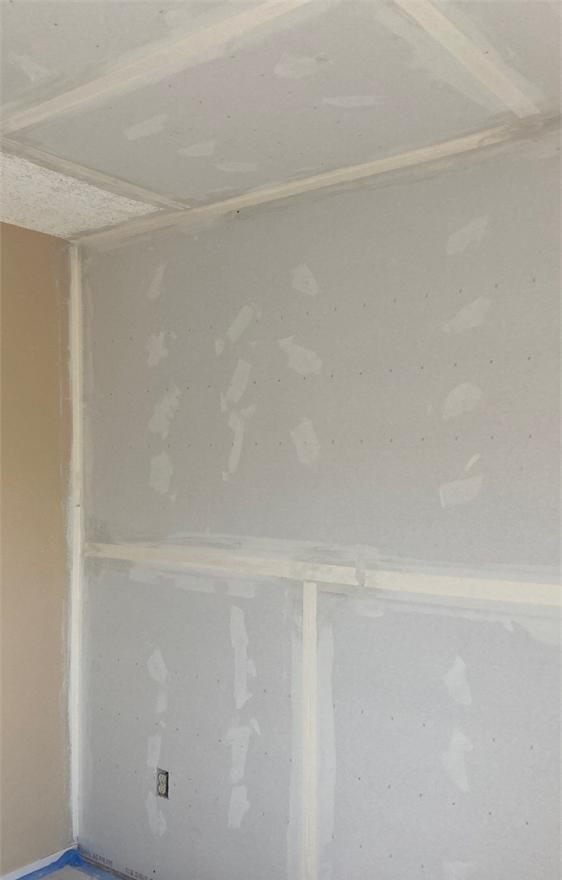
Repairs begin after the damaged area has been opened, the underlying condition has been addressed, and the remaining structure is ready to be enclosed again.
Fire damage can extend from the burned area into framing, electrical components, finishes, and rooms affected by smoke or soot. Crain Bros Inc provides fire cleanup, smoke and soot cleaning, odor removal, damaged-material removal, repairs, and fire damage reconstruction according to the conditions documented at the property.
Fire damage restoration may begin with emergency protection and continue through inspection of concealed structural damage, cleaning, restoration design, repairs, and reconstruction.
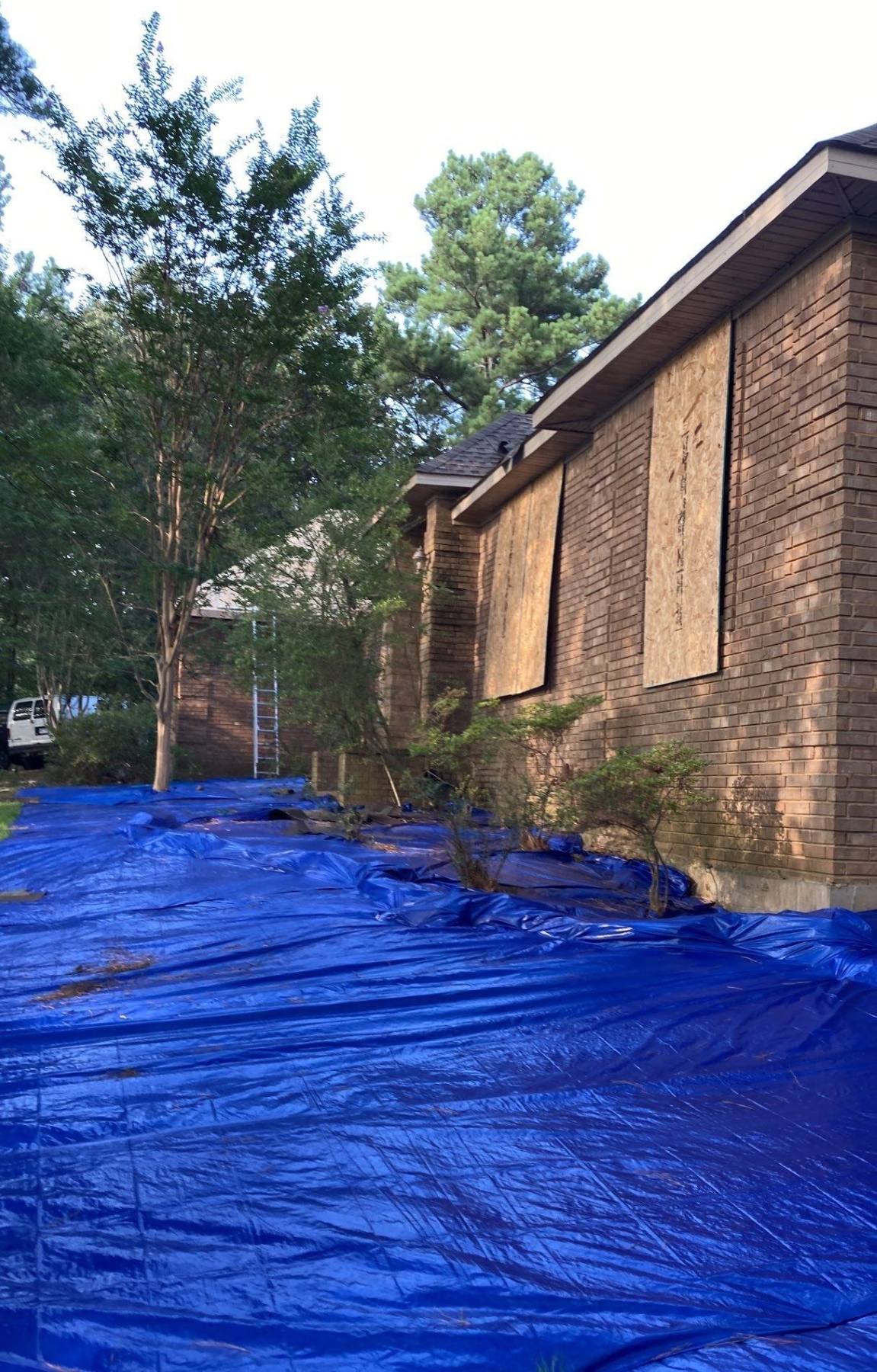
Emergency board-up helps secure the property while the affected areas are inspected, documented, cleaned, and incorporated into the restoration plan.
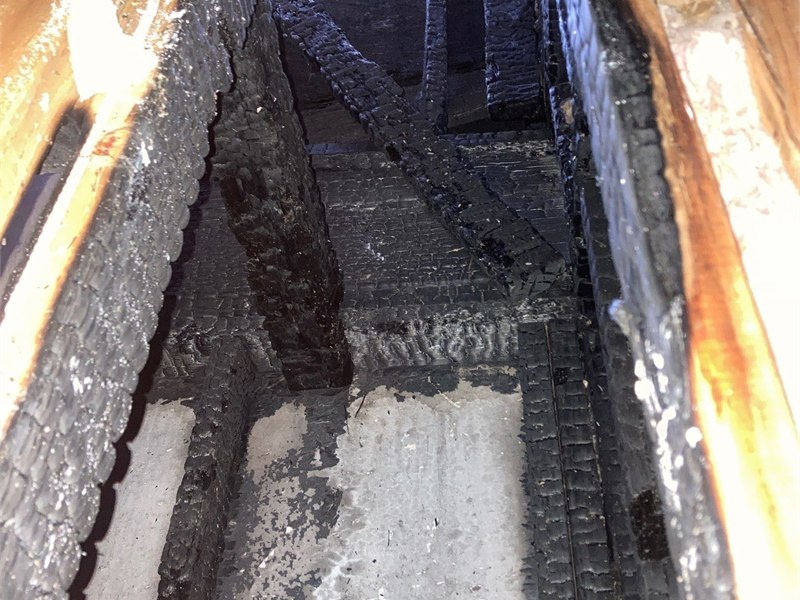
Controlled opening can reveal damage that was not visible from the finished surface. The exposed condition informs cleaning, material-removal, structural, and reconstruction decisions.
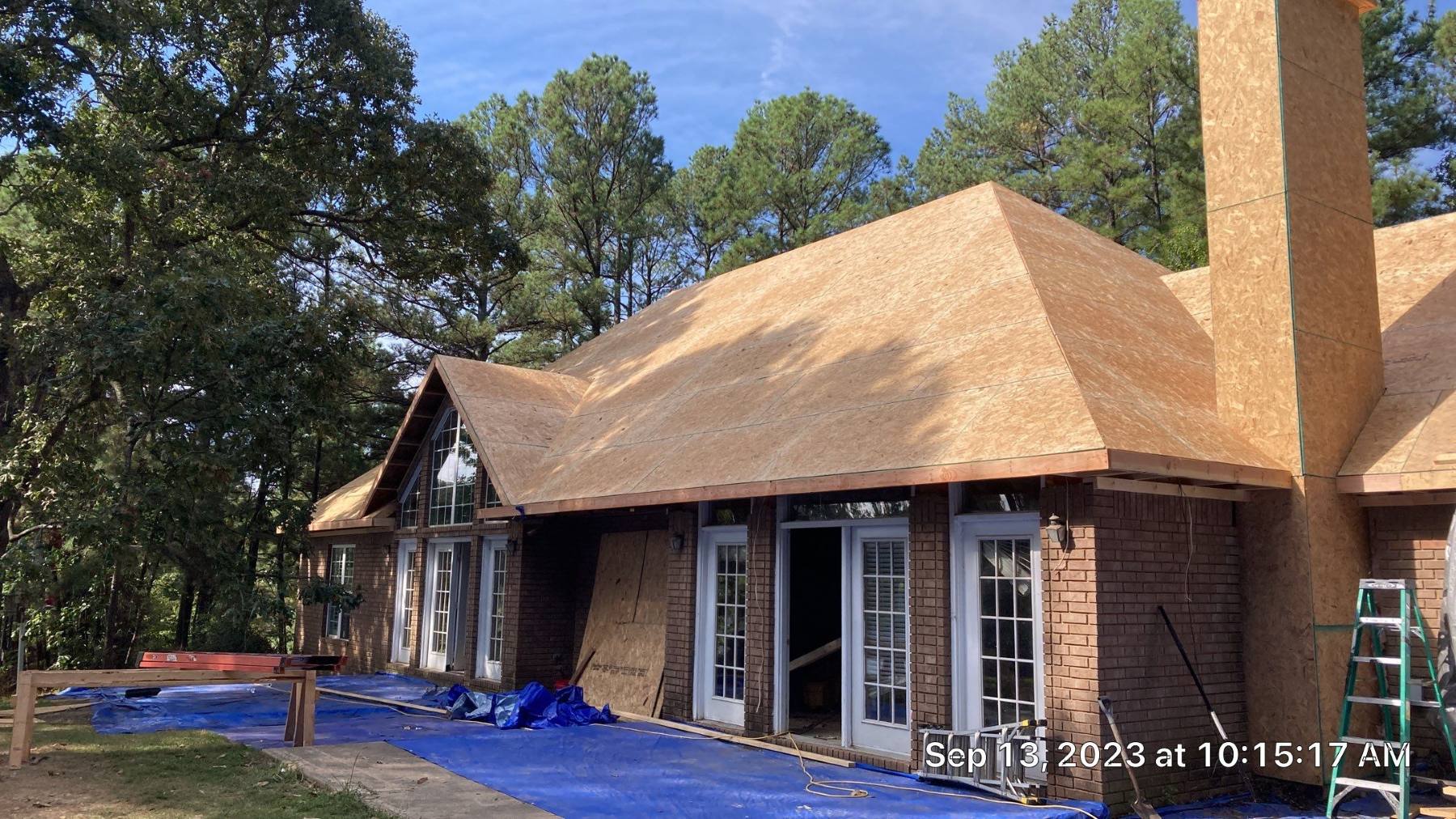
Reconstruction follows investigation, removal, cleaning, code review, restoration design, and verification of the remaining structure.
Wind, hail, tornadoes, falling trees, and wind-driven rain can damage both the exterior envelope and concealed parts of the structure. Crain Bros Inc provides storm damage cleanup, temporary roof protection, water removal, and structural restoration, with roof repairs after wind, hail, impact, or water intrusion incorporated where the documented scope requires them.
Storm damage can leave the structure exposed while also affecting the roof, framing, exterior systems, and interior spaces. Emergency protection and a complete inspection establish the path to permanent restoration.
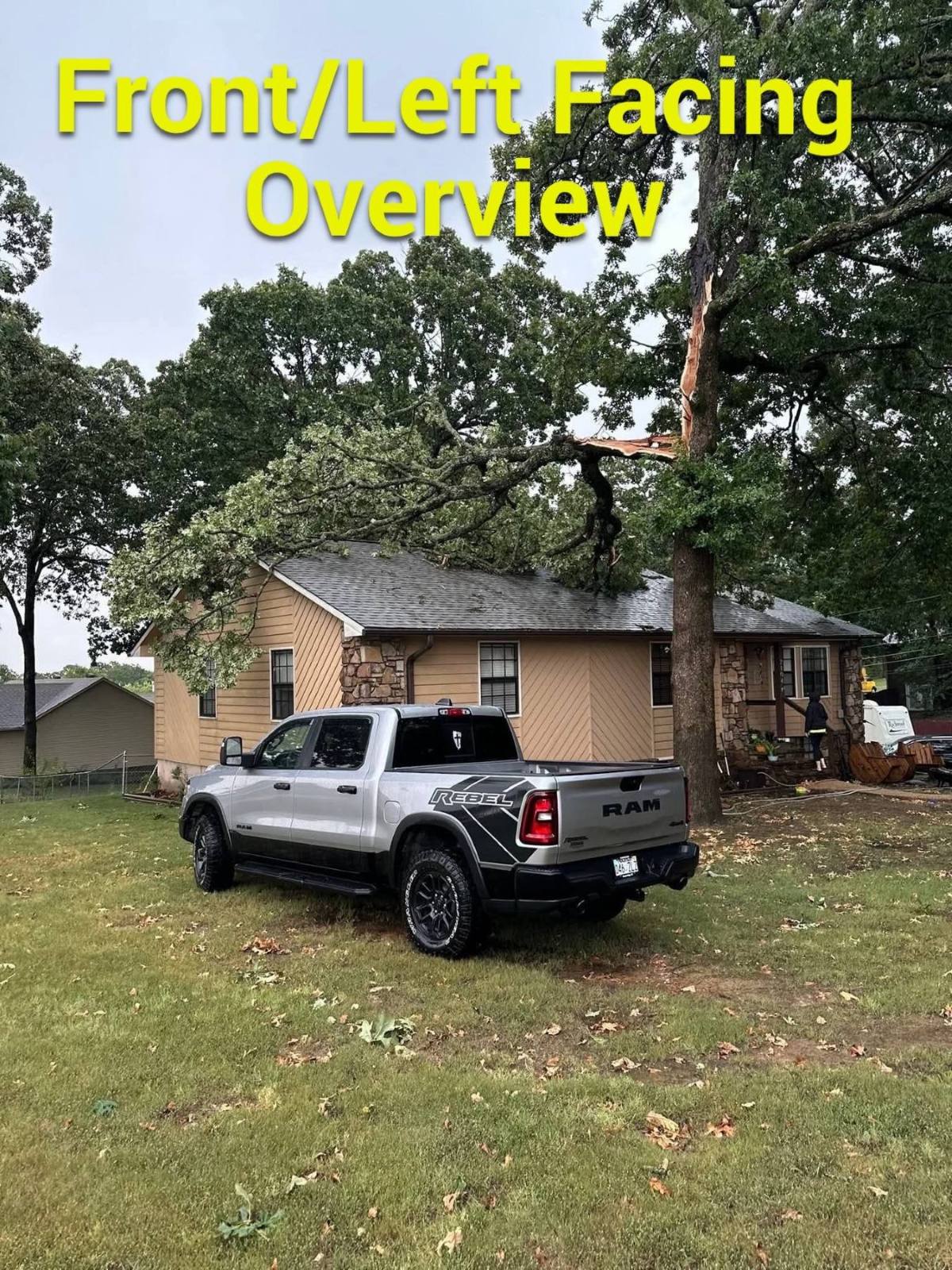
Tree impact can affect roofing, decking, framing connections, ceilings, and interior finishes. The restoration follows the damage through the connected structure.
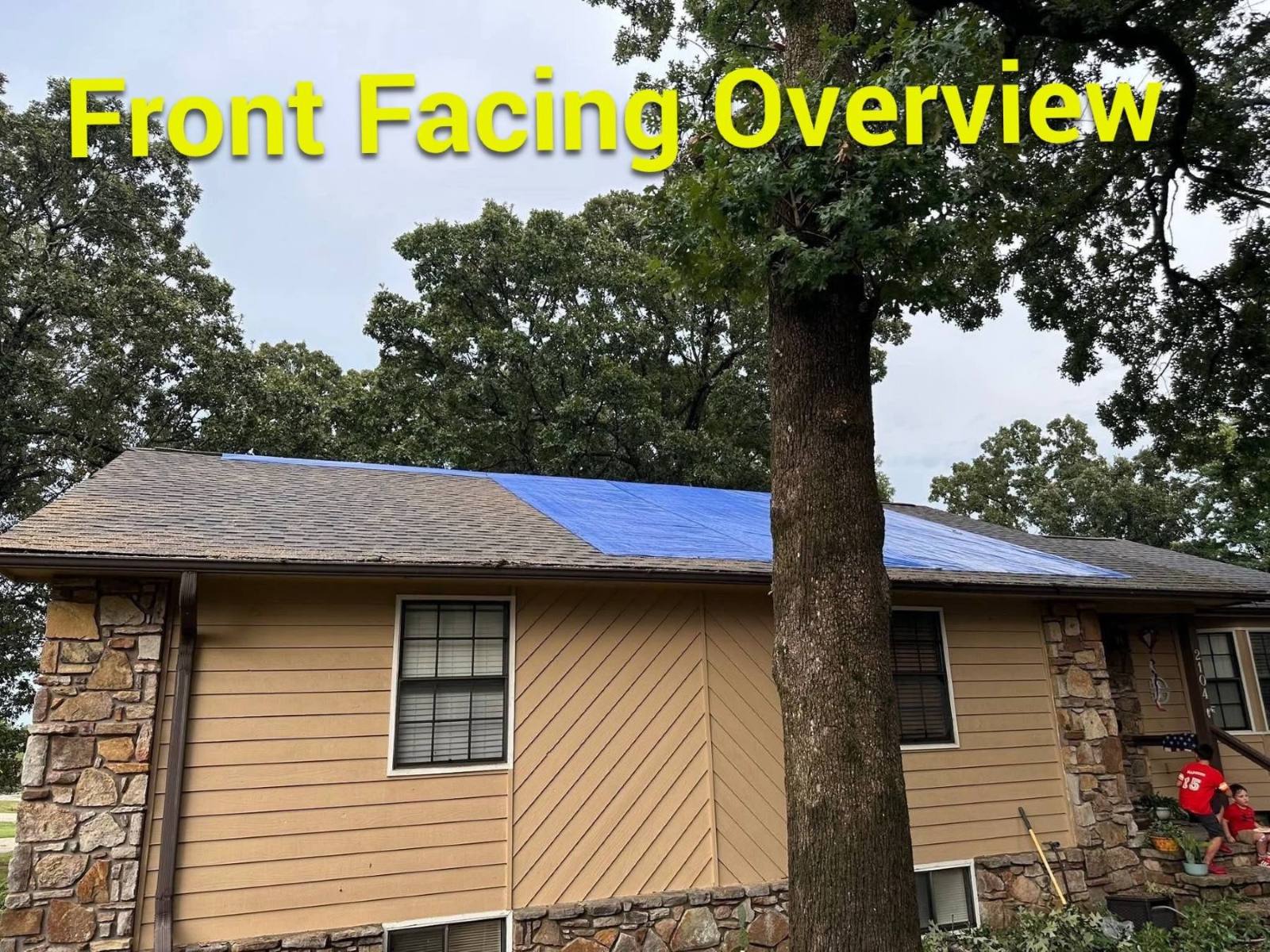
Temporary roof protection helps prevent additional weather entry while inspection, documentation, restoration design, material planning, and permanent work move forward.
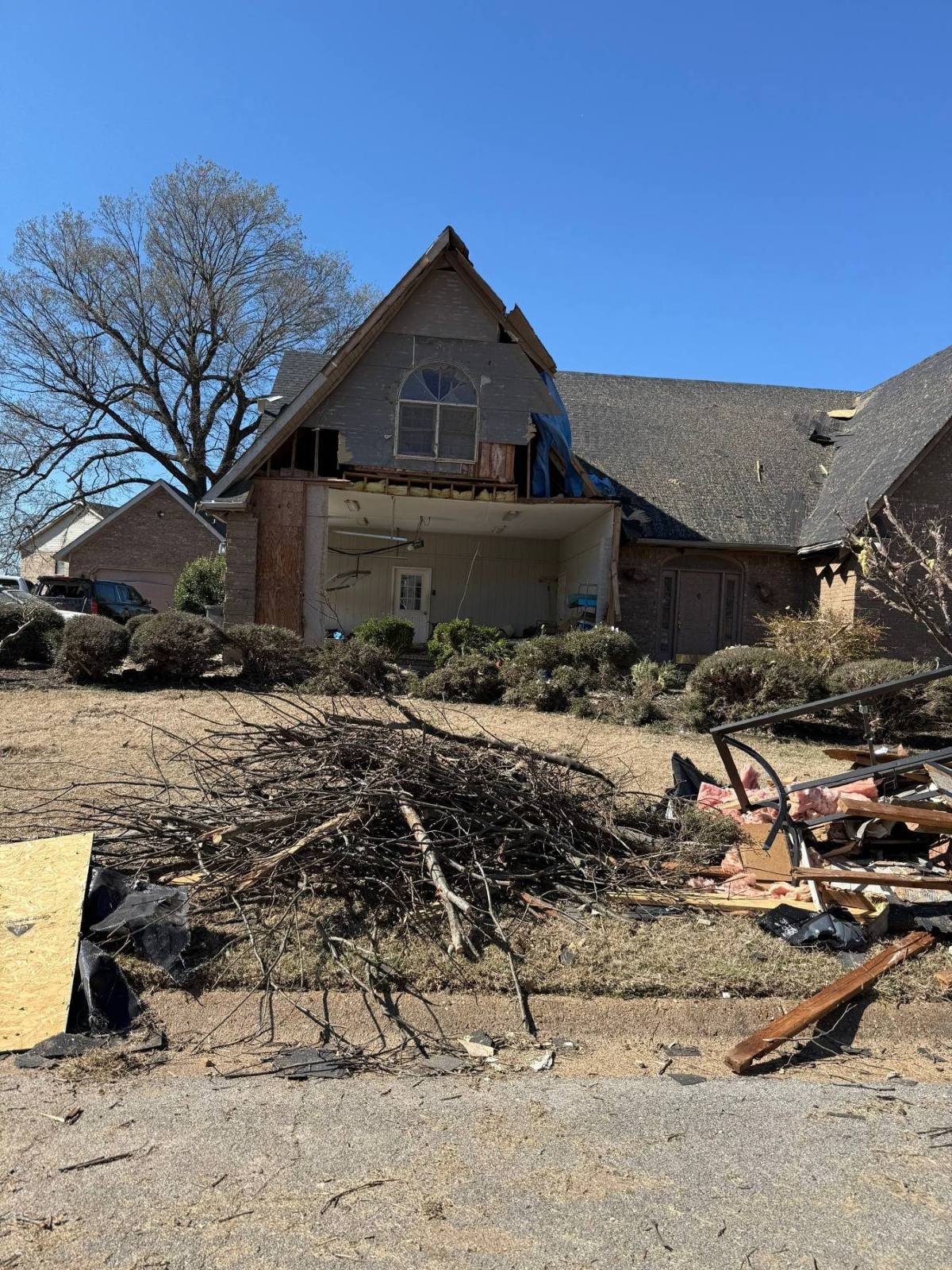
Severe wind can affect several building systems at once. The inspection considers the roof, walls, framing, openings, attached components, utilities, and interior spaces before restoration decisions are made.
Different causes require different controls. Persistent moisture may lead to moisture-source investigation and mold damage restoration. Decisions about drying, cleaning, and removal depend on the materials and conditions found; the EPA guidance on mold cleanup provides additional information about correcting water problems and evaluating affected materials. When damage reaches belongings, Personal Property and Contents Care may include inventory, cleaning, pack-out, storage, deodorization, document recovery, or media recovery.
Property damage rarely stays in one neat category. A storm-created opening can lead to water damage inside the building. Fire suppression can leave parts of the property wet. A leak that remains active can contribute to mold growth. We inspect how the conditions connect, determine what the property actually needs, and organize the restoration so one part of the work does not overlook another.
Talk About Your Restoration NeedsWater removal, moisture documentation, selective removal, structural drying, cleaning, repairs, and reconstruction based on the actual affected materials and building systems.
Explore Water Damage Restoration ServicesEmergency protection, fire and smoke damage investigation, residue cleaning, odor work, restoration design, structural repairs, and reconstruction.
Explore Fire and Smoke Damage RestorationEmergency weather protection, inspection, mitigation, repairs, and reconstruction for property damage caused by wind, hail, tornadoes, falling trees, and water entry.
Explore Storm Damage Restoration ServicesMoisture-source investigation, containment, removal or remediation, cleaning, verification coordination, corrective work, and restoration of affected areas.
Explore Mold Damage Restoration ServicesContents inventory, cleaning, pack-out and storage, deodorization, document recovery, and media recovery for affected personal property.
Explore Personal Property and Contents CareOnce the structure is dry and damaged materials have been removed, the rebuild can begin from the floor upward. Water may leave finished flooring beyond repair even after the surface appears dry. In those areas, flooring repairs and replacement include evaluating the substrate, removing affected materials, and rebuilding the finished surface over a sound base.
Open walls and ceilings often remain until plumbing, electrical, insulation, and framing work has been inspected and completed. Crain Bros Inc then performs wall, ceiling, and drywall repairs that close the assembly and prepare the restored rooms for finishing. If water, fire, or impact weakened the structure itself, the restoration plan may first require structural framing repairs.
Insulation can hold moisture, smoke odor, or contamination where it cannot be cleaned effectively. When the documented conditions require it, damaged insulation is removed and replaced before walls and ceilings are closed.
Kitchens, bathrooms, and storage areas require careful sequencing because cabinets connect with walls, flooring, countertops, plumbing, and electrical work. Crain Bros Inc coordinates cabinet repairs or replacement as part of the room's complete restoration rather than treating the cabinets as an isolated finish item. Where water or fire affected wiring, fixtures, devices, or panels, electrical damage repairs are completed before concealed areas are closed.
Exterior restoration must reestablish the building's protection from weather. That can include siding repairs after wind, impact, fire, or water damage and window and door repairs that restore damaged openings, flashing, seals, hardware, trim, and weather resistance.
Restoration is easier to manage when one contractor remains responsible from the first response through the final inspection. Crain Bros Inc connects emergency protection, inspection, documentation, mitigation, cleaning, drying, verification, repairs, and reconstruction so the property owner is not left coordinating separate portions of the same project.
The work is planned around the actual property conditions and carried forward as one restoration. We coordinate the required building trades, inspections, materials, and project sequence while keeping responsibility for the approved work with Crain Bros Inc.
Start the Restoration ConversationRestoration planning must account for the damaged building, the work being performed, and the authority responsible for the property location. A Building Inspection and Diagnostics review can connect property findings to the proposed repair design before permits, inspections, and trade sequencing are finalized.
Crain Bros Inc serves property owners in Jonesboro, Paragould, Brookland, Walnut Ridge, Harrisburg, and other Northeast Arkansas communities. Because local agencies administer their own ordinances, permits, plan reviews, and inspections, current requirements should be confirmed with the authority having jurisdiction over that property. Official information is available from the City of Jonesboro Inspections Department, the City of Paragould department directory, the City of Brookland government website, and the Walnut Ridge City Inspector information. Harrisburg and other locations should be confirmed through the appropriate city or county office for the project.
Restoration tasks can involve unstable materials, electrical exposure, contaminated water, demolition, elevated work, smoke residue, and other hazards. The OSHA guidance for restoration-industry hazards and controls provides a useful reference for recognizing task-specific risks while the project safety plan is developed.
Restoration work must fit the building that exists today, including the requirements that apply when damaged assemblies are opened, repaired, or rebuilt. We account for applicable building-code provisions, permit requirements, required inspections, manufacturer instructions, and the sequence needed to complete the approved work properly.
The restoration plan also considers jobsite safety throughout demolition, cleaning, drying, structural work, and reconstruction. Work practices, access controls, protective measures, and hazard planning are organized around the conditions at the property and applicable OSHA workplace-safety requirements.
Crain Bros Inc documents observed damage, affected materials, property conditions, project scope, work progress, repairs, reconstruction, and completed conditions for the property owner's use. The Ready.gov disaster recovery guidance also emphasizes safe return to damaged property, hazard awareness, and documentation after a disaster. Crain Bros Inc does not file, adjust, or negotiate claims and does not perform work for insurance carriers.
Crain Bros Inc works on properties involved in insurance claims as a contractor. We inspect and document the damage, property conditions, project scope, work progress, repairs, reconstruction, and completed property conditions. That documentation is provided to the property owner for use on the property owner's own behalf.
A complete restoration can require emergency protection, investigation, damage-specific cleanup, reconstruction management, and coordinated building repairs. The services below explain how each part applies to restoring damaged residential and commercial property.
Emergency board-up, temporary protection, water removal, and stabilization help limit continued exposure before permanent restoration begins.
See Emergency Property Protection ServicesInspection findings are analyzed to trace damage to its cause and design a property-specific restoration plan.
See How Inspection and Diagnostics Guides RestorationA building inspection records affected rooms, systems, materials, and visible or accessible damage before restoration decisions are finalized.
See Building Inspection for Damaged PropertyBuilding consulting helps owners review difficult conditions, conflicting recommendations, proposed restoration scopes, and repair strategies.
See Building Consulting for Restoration PlanningWater restoration connects emergency water removal, extraction, moisture inspection, wet-material removal, structural drying, cleanup, and repairs.
Explore Water Damage Restoration ServicesFire restoration connects emergency protection, smoke and soot cleanup, odor removal, structural repairs, and reconstruction.
Explore Fire and Smoke Damage RestorationStorm restoration connects roof tarping, water removal, wind and hail damage repairs, structural work, and reconstruction.
Explore Storm Damage Restoration ServicesMold restoration addresses the moisture source, affected materials, cleaning or remediation, drying, verification, and corrective repairs.
Explore Mold Damage Restoration ServicesContents care supports inventory, cleaning, pack-out and storage, deodorization, document recovery, and media recovery after property damage.
Explore Personal Property and Contents CareGeneral contracting organizes reconstruction, self-performed trades, code requirements, dependencies, inspections, scheduling, and completion.
Explore Property Repairs and ReconstructionRoofing repairs restore damaged coverings, underlayment, flashing, decking, penetrations, and weather protection after storm, fire, or water damage.
Explore Roof Damage and Roof Repair ServicesSiding repairs restore damaged cladding, trim, weather-resistant layers, transitions, and wall components affected by wind, impact, fire, or water.
Explore Siding Damage Repair ServicesGutter repairs restore drainage components that protect roof edges, exterior walls, and foundations after storm or impact damage.
Explore Gutter and Drainage RepairsMasonry restoration addresses damaged brick, block, mortar, veneer, chimneys, and related assemblies within the restoration scope.
Explore Masonry Damage RepairsDeck restoration repairs or replaces damaged decking, rails, stairs, framing, connections, and supports after impact, wind, fire, or deterioration.
Explore Deck Damage RepairsHVAC restoration addresses affected equipment, ductwork, controls, insulation, drainage, ventilation, and connected mechanical components.
Explore HVAC Restoration WorkPlumbing repairs address failed or damaged supply and drain components associated with burst pipes, broken pipes, and resulting property damage.
Explore Plumbing Leak and Repair ServicesElectrical repairs address wiring, devices, panels, fixtures, and circuits affected by water, fire, impact, demolition, or reconstruction.
Explore Electrical Damage Repair ServicesFlooring restoration removes affected materials, prepares the substrate, and repairs or replaces the approved floor system after underlying conditions are resolved.
Explore Flooring Repairs and ReplacementRestoration painting completes properly prepared surfaces after moisture, damaged materials, wall repairs, and exterior repairs have been addressed.
Explore Restoration Painting ServicesFinish carpentry restores baseboards, casing, moldings, doors, and trim removed or damaged during cleanup and reconstruction.
Explore Trim and Finish Carpentry RepairsCabinet restoration removes, repairs, replaces, or reinstalls affected cabinetry after water, fire, smoke, or demolition work.
Explore Cabinet Repairs and ReplacementCountertop restoration coordinates affected surfaces with cabinetry, plumbing, walls, and finish repairs.
Explore Countertop Repairs and ReplacementFraming repairs restore damaged wall, floor, ceiling, and roof components identified during inspection and restoration design.
Explore Structural Framing RepairsConcrete restoration repairs slabs, foundations, walks, pads, and other components included in the approved restoration scope.
Explore Concrete Damage RepairsWindow and door restoration repairs damaged openings, frames, glazing, flashing, seals, hardware, trim, and weather protection.
Explore Window and Door Damage RepairsInsulation restoration removes affected material and rebuilds the approved thermal or sound-control assembly after concealed conditions are resolved.
Explore Insulation Removal and ReplacementDrywall restoration rebuilds walls and ceilings after the structure is dry, damaged materials are removed, and concealed repairs are complete.
Explore Wall, Ceiling, and Drywall RepairsCrain Bros Inc provides residential and commercial property restoration from its Jonesboro base throughout Northeast Arkansas. The response and restoration plan is tailored to the property's location, occupancy, affected systems, access, local requirements, and the work needed to return the building to a safe and usable condition.
Crain Bros Inc is family owned and operated and has served Northeast Arkansas since 1984. Call to discuss the current property condition, immediate needs, inspection, restoration planning, repairs, and reconstruction.
Get Help Restoring Your PropertyProperty owners often notice a symptom before they know what caused it. These guides help organize observations and questions before cleanup or repairs hide useful evidence.
Learn how to stop the water safely, document what happened, identify affected areas, and prepare for drying and repairs.
Read What Should I Do After a Water Heater Leak?Use the stain location, weather, plumbing, nearby rooms, and HVAC operation to guide the search before repairing the ceiling.
Read Why Is There a Water Stain on My Ceiling?Use timing, humidity, weather, HVAC operation, and visible material changes to narrow down a recurring musty odor.
Read Why Does My House Smell Musty?Understand how flooring, floor framing, supports, foundations, and drainage conditions can contribute to an uneven floor.
Read Why Is My Floor Uneven?Review how hardware, frames, moisture, flooring, framing, and structural movement can cause doors to rub or stop latching.
Read Why Are My Doors Sticking?These independent resources give property owners additional information about restoration hazards, mold cleanup, and returning to damaged property. They supplement, but do not replace, a property-specific inspection or repair plan.
Information about hazard recognition and task-specific controls for restoration-related work.
Review OSHA Restoration Hazards and SolutionsGuidance about correcting water problems, drying materials, cleaning mold, and evaluating materials that may require removal.
Review EPA Mold Cleanup GuidancePublic safety guidance for returning to damaged property, recognizing hazards, and documenting conditions after a disaster.
Review Ready.gov Disaster Recovery GuidanceYes. Crain Bros Inc can coordinate emergency property protection, inspection, documentation, mitigation, cleaning or remediation, structural drying when required, repairs, reconstruction, final inspection, and completion documentation as one connected project.
Keep people away from unsafe areas and stop continued damage when it can be done safely. Emergency protection may be needed when water is still entering, the building is open to weather, materials remain wet, or damaged openings leave the property unsecured.
The inspection considers visible conditions, accessible concealed areas, measurements, moisture readings when applicable, affected materials, connected building systems, and the path the damage may have followed through the property.
No. The decision depends on the material, extent of damage, ability to clean or dry it, structural condition, contamination, code requirements, and whether it can remain as part of a sound restoration.
New finishes can conceal moisture, residue, contamination, or damaged assemblies. Verification provides a checkpoint before the property is enclosed and finished again.
Yes. Crain Bros Inc restores residential and commercial properties throughout Northeast Arkansas.
Yes. Crain Bros Inc works on properties involved in insurance claims as a contractor and provides project documentation to the property owner for use on the property owner's own behalf.
The documentation may include photographs, measurements, readings, inspection findings, affected-area information, project scope, work progress, repairs, reconstruction, and completed property conditions developed during the restoration.
Yes. Applicable code requirements can influence the restoration design, material selection, assemblies, permits, inspections, and sequence of work.
Yes. Crain Bros Inc self-performs the restoration and trade work represented in the approved project scope, keeping scheduling, workmanship, and accountability with one contractor.