Mold-Damaged Walls and Drywall
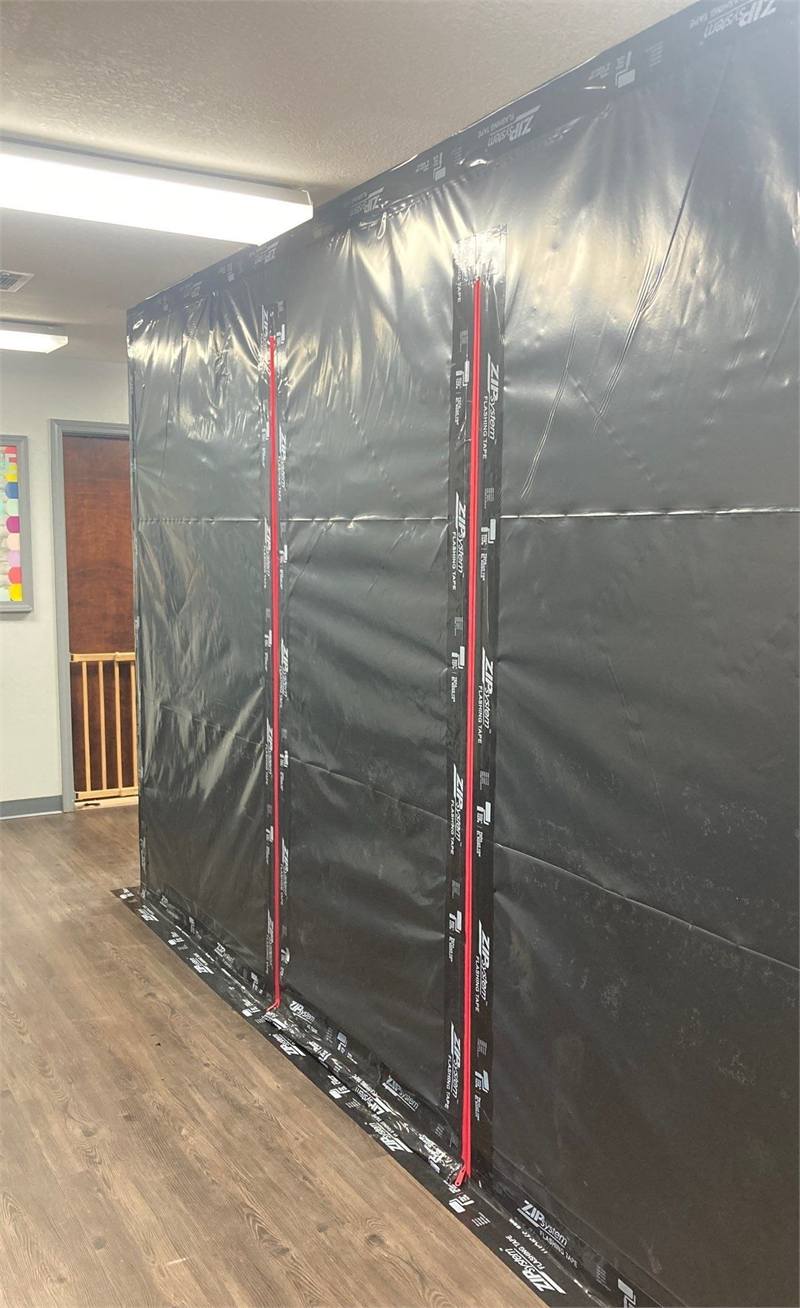
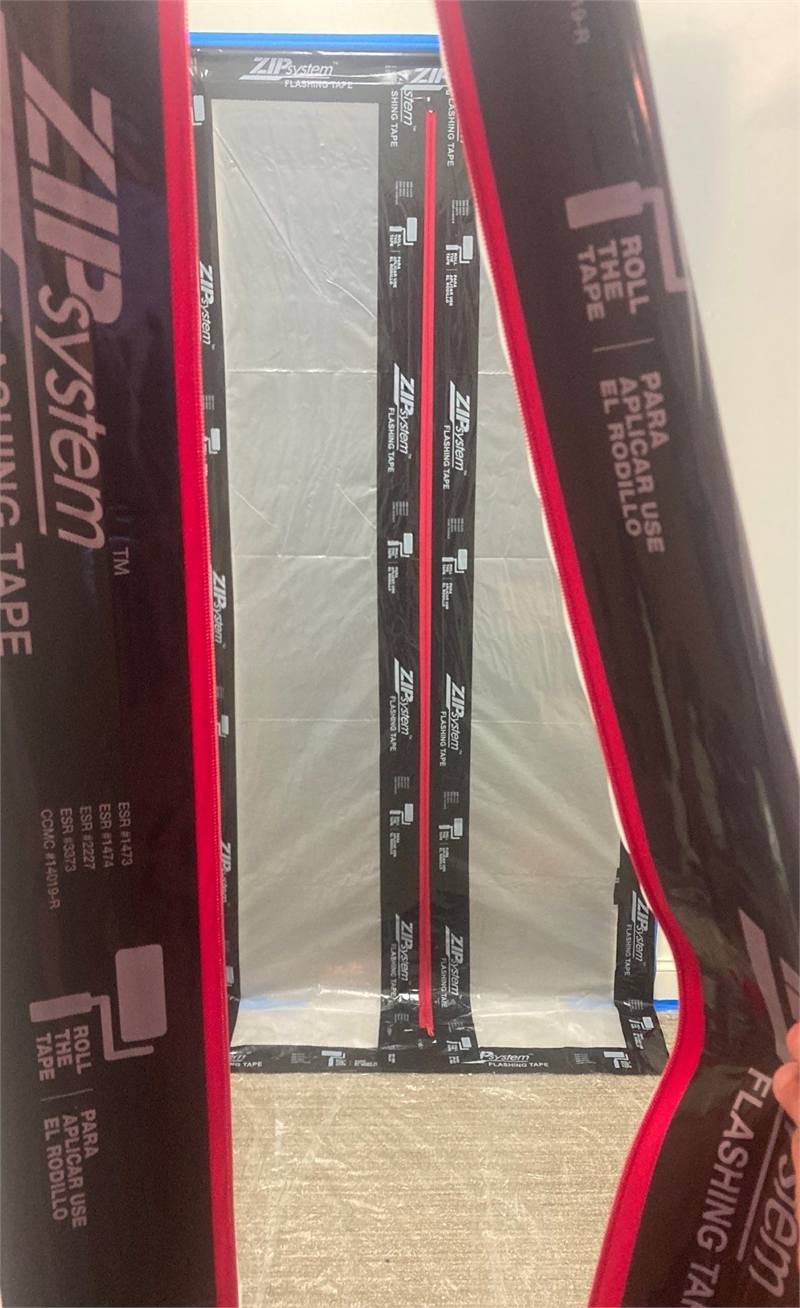
Crain Bros Inc finds the moisture affecting the wall. The CDC identifies drywall and wood among materials where indoor mold can grow. Crain Bros Inc removes drywall that cannot remain, cleans accessible framing and other retained materials, and closes the wall only after the area is ready. When wallboard must be replaced, property owners can view drywall repair services for the reconstruction stage.
Mold on Ceilings
Crain Bros Inc traces ceiling mold to roof leaks, plumbing leaks, HVAC condensation, high humidity, wet insulation, or moisture hidden above the finish. Our building inspection and diagnostic services help define how far the damage extends before ceiling materials are removed and repaired.
Mold and Mildew in Bathrooms
Crain Bros Inc remediates mold and recurring mildew around showers, tubs, toilets, vanities, ceilings, walls, and floors. We also address the reason the area stays damp, which may require plumbing repair services, ventilation work, waterproofing, or replacement of damaged finishes.
Mold Under Sinks and Inside Cabinets
Crain Bros Inc opens the affected sink cabinet, documents the leak and damaged materials, removes what cannot be cleaned, and repairs the wall, floor, and cabinet area. If cabinets are damaged beyond reuse, our cabinetry services can complete that part of the restoration.
Mold Around Plumbing Leaks
Crain Bros Inc handles the mold damage and the leaking pipe, drain, fixture, water heater, or concealed connection that caused it. Property owners can view plumbing repair services when the water source must be corrected as part of the restoration.
Crawlspace Mold and Ground Moisture
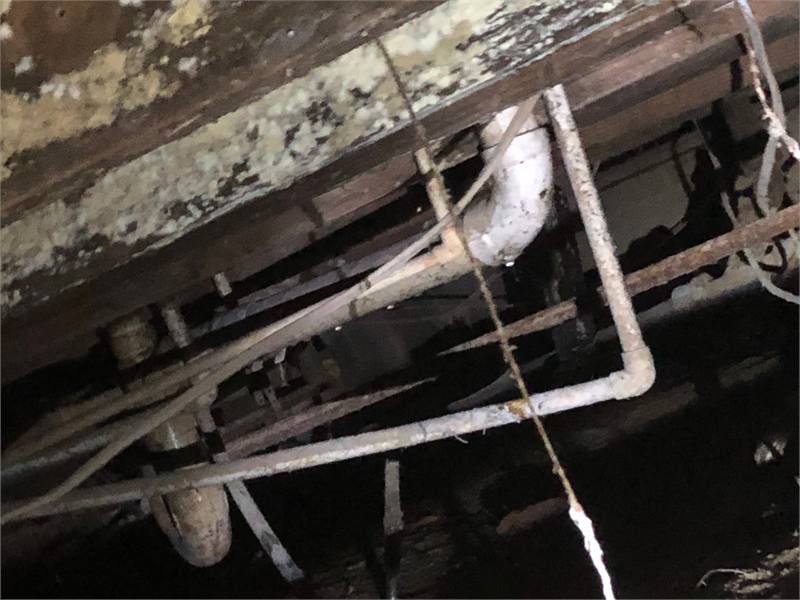
Crain Bros Inc remediates mold on crawlspace joists, subflooring, insulation, and other accessible materials while checking for ground vapor, drainage problems, plumbing leaks, standing water, and humid air beneath the home. Our crawlspace encapsulation services may be part of the long-term moisture-control plan.
Attic Mold, Roof Leaks, and Condensation
Crain Bros Inc remediates mold on attic framing, roof decking, insulation, and ceiling assemblies and determines whether the moisture came from a roof leak, condensation, or ventilation problem. Property owners can view roofing repair services when water is entering through the roof system.
Mold Around HVAC Equipment and Air Registers
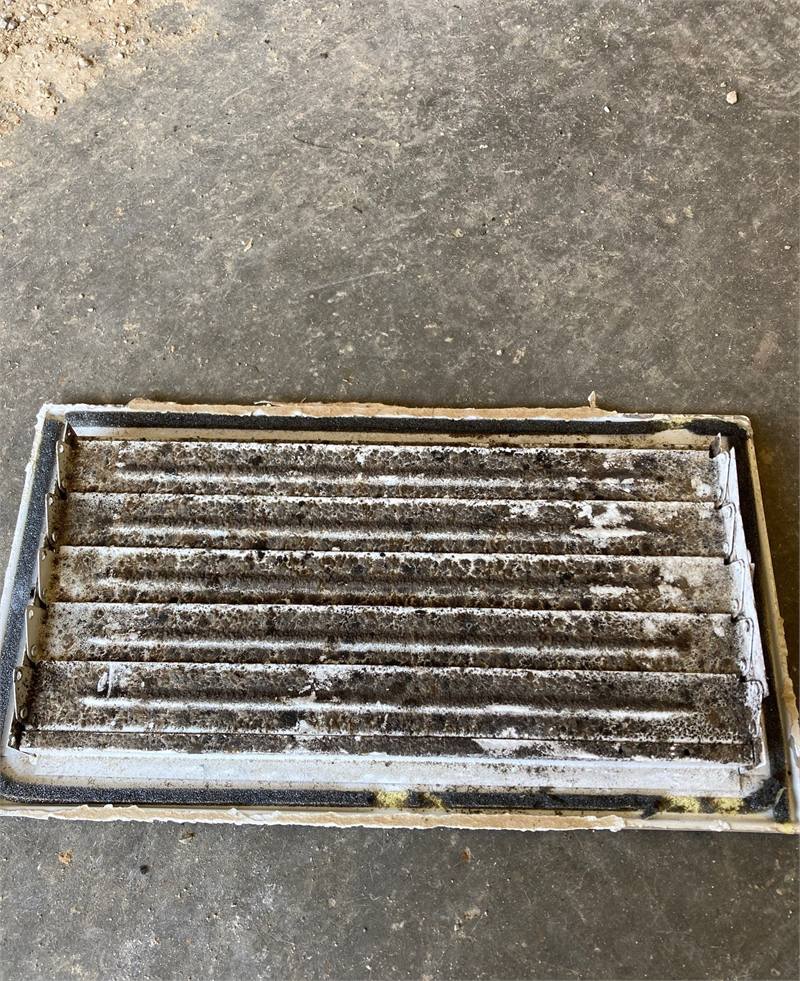
Crain Bros Inc inspects mold and moisture around air handlers, registers, duct connections, insulation, drain pans, condensate lines, and nearby building materials. The ENERGY STAR indoor air quality guidance explains how moisture, ventilation, filtration, and humidity affect indoor conditions. Our HVAC services address equipment, drainage, insulation, or airflow work included in the restoration scope.
Mold Under Flooring, Carpet, and Padding
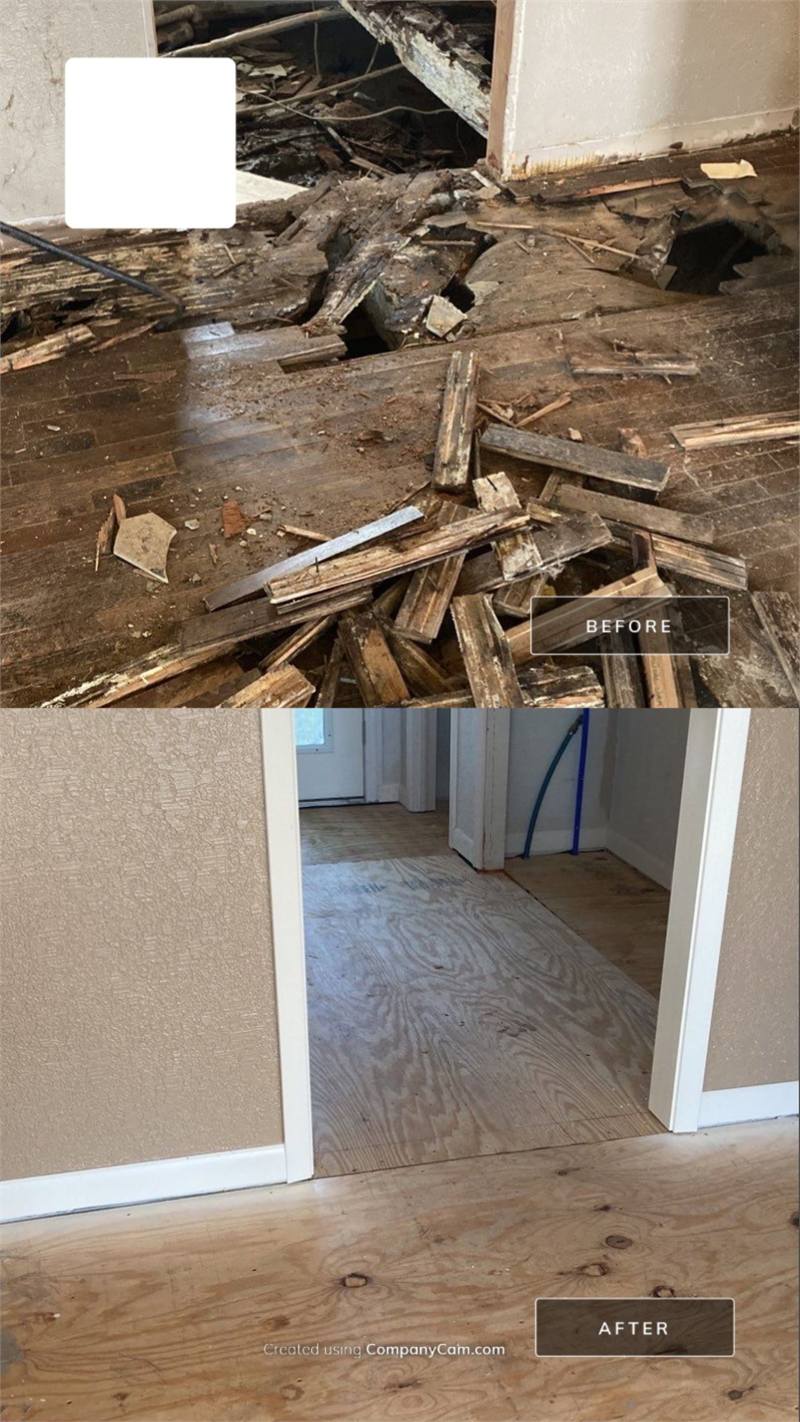
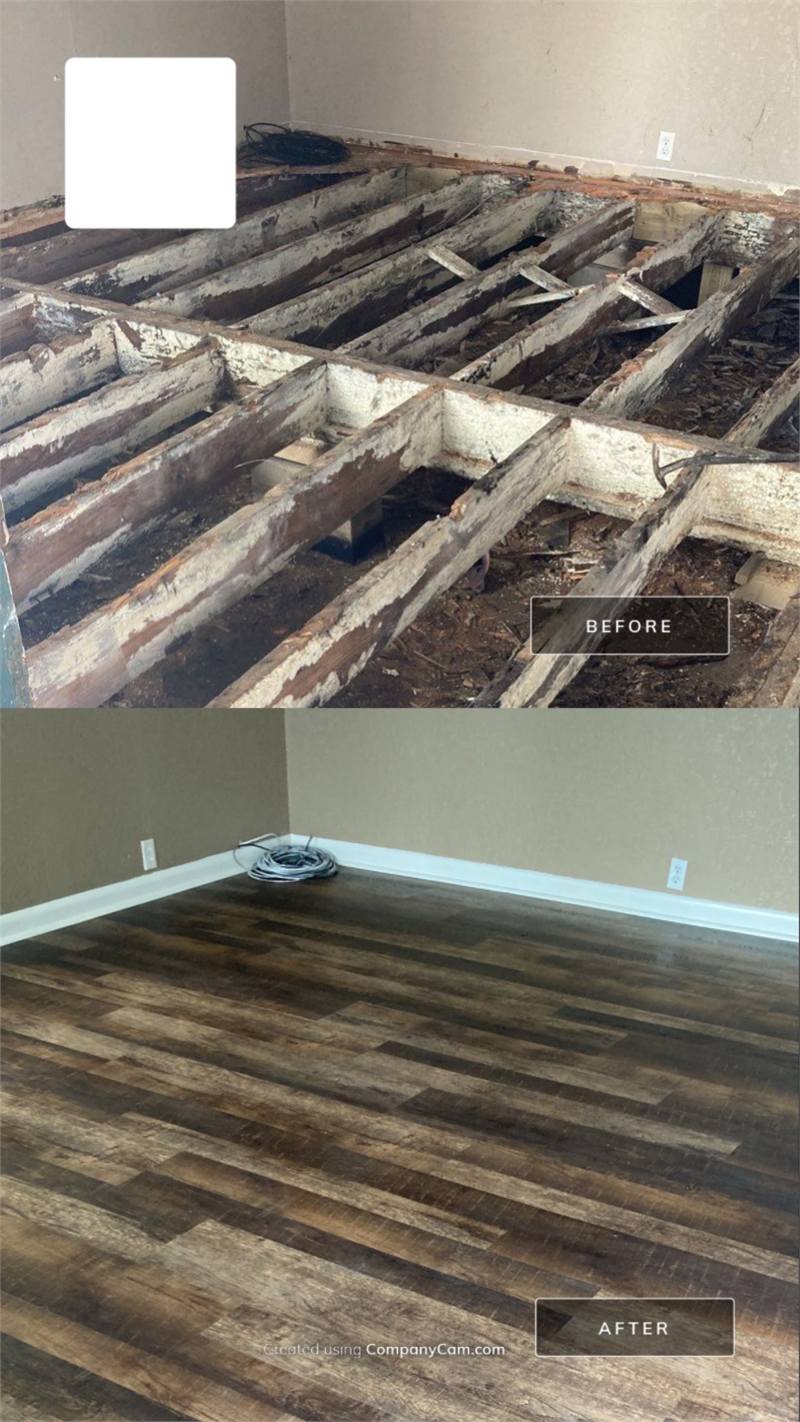
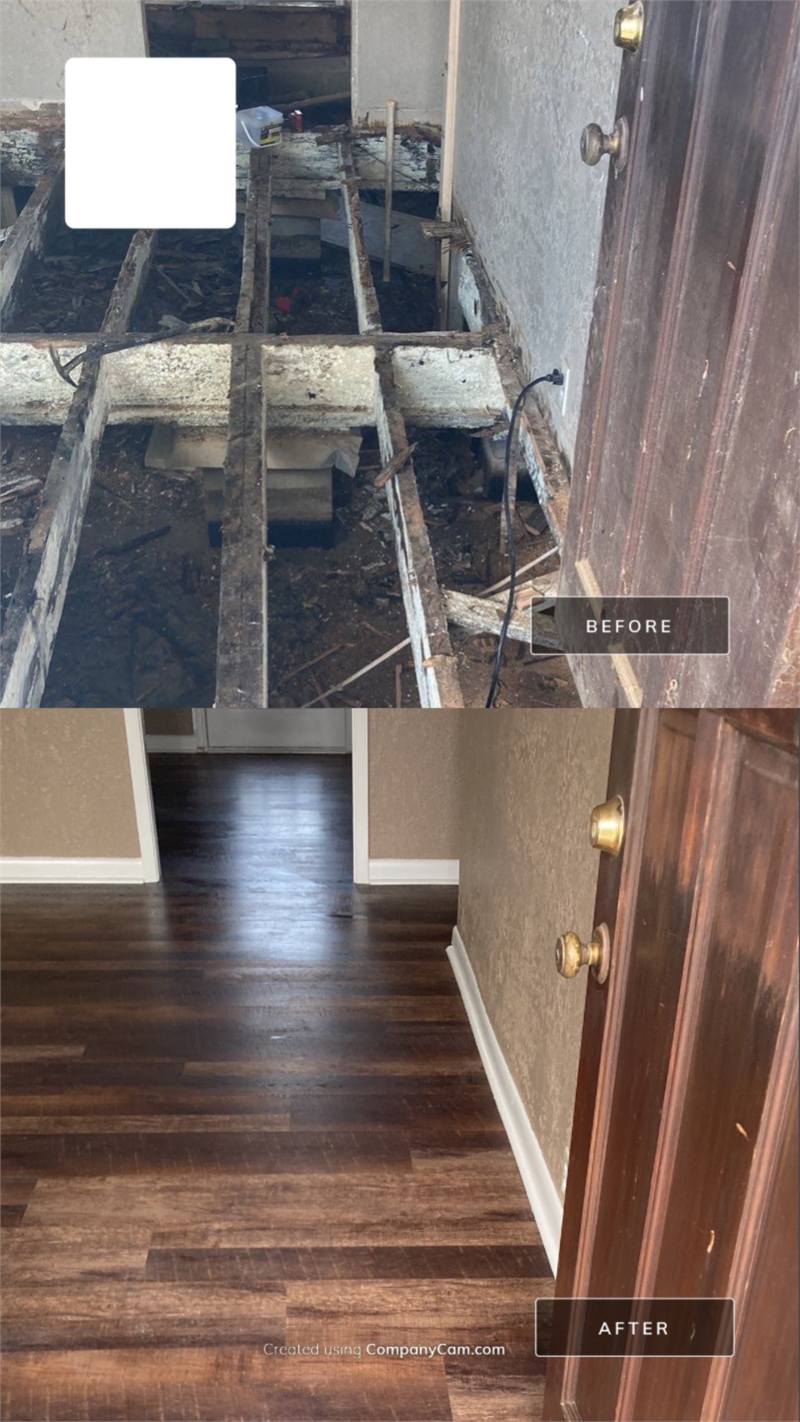
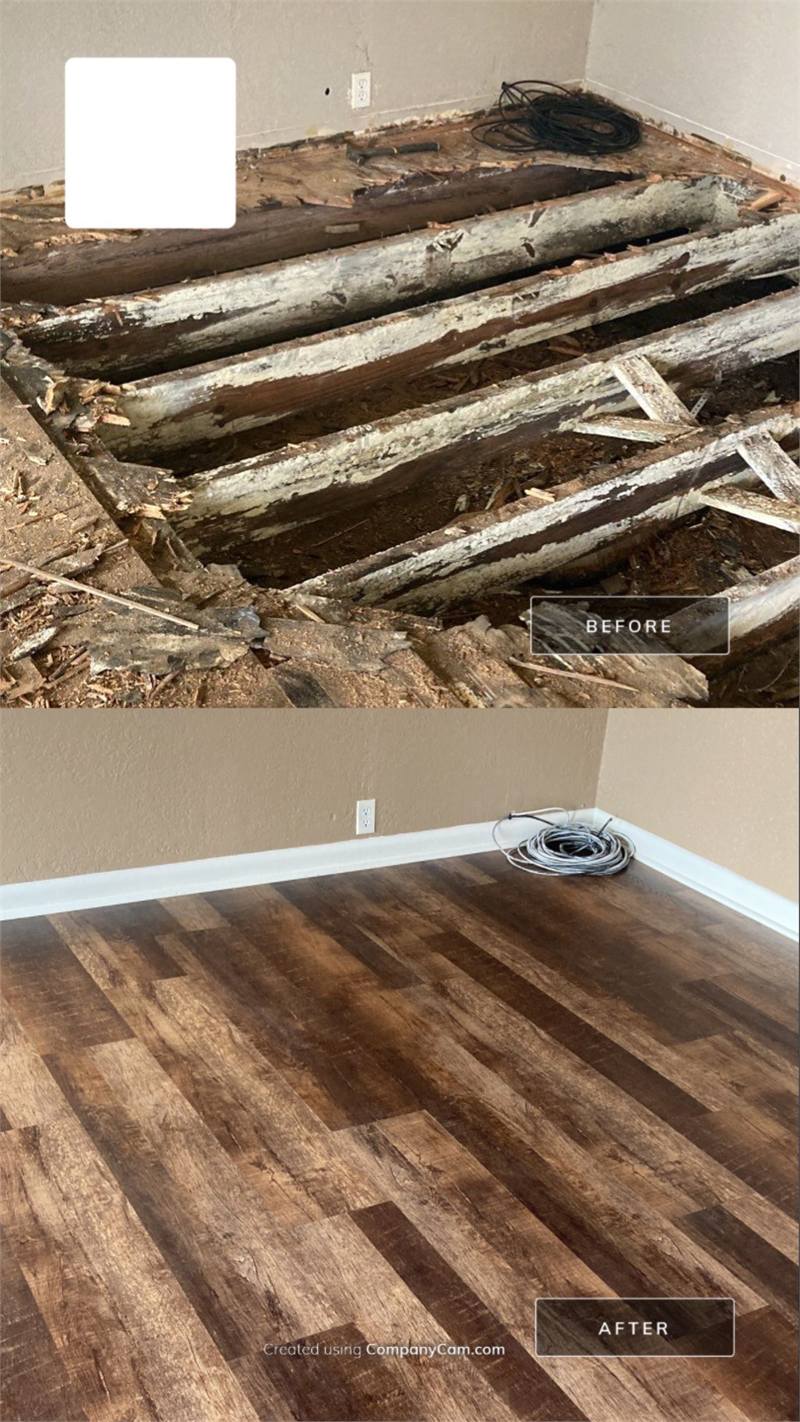
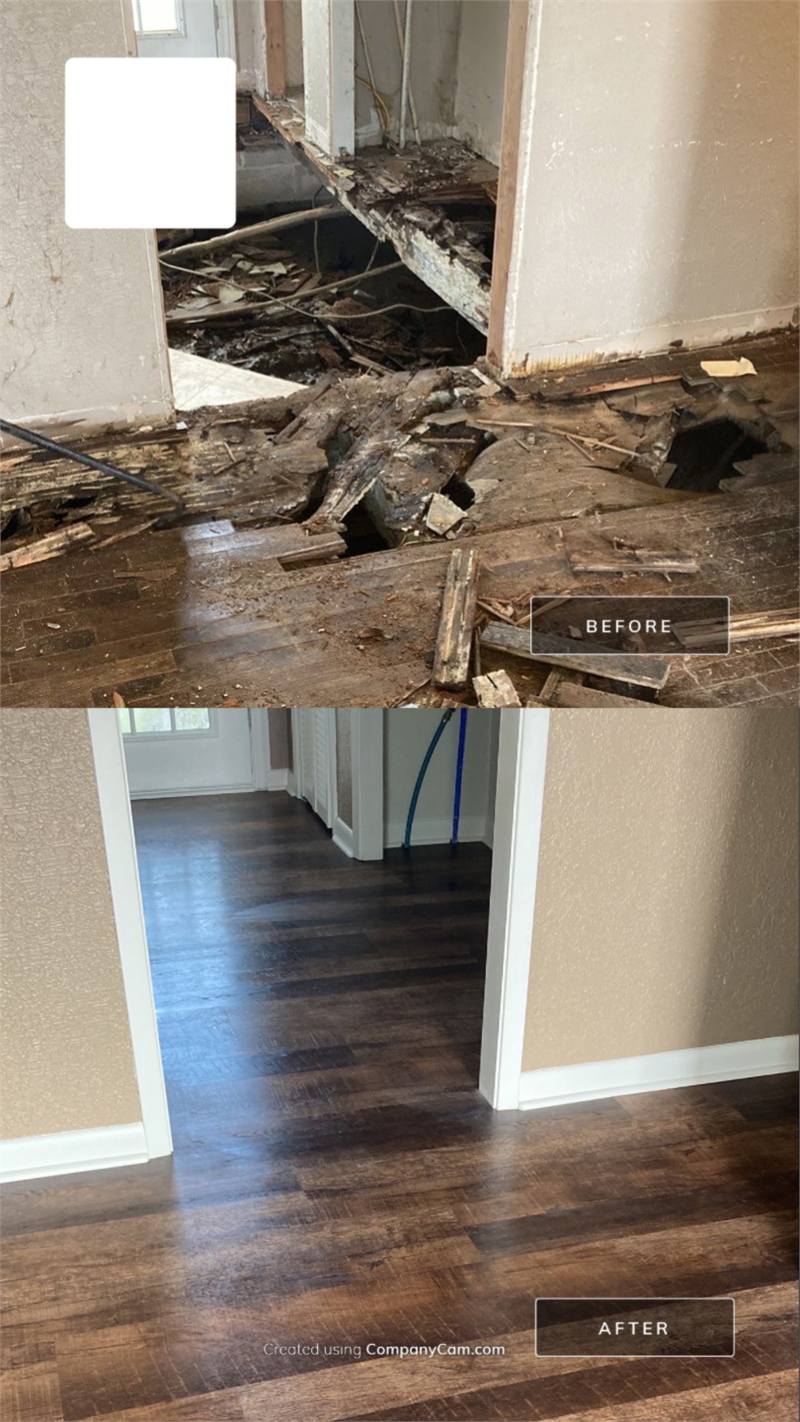
Crain Bros Inc removes affected carpet, padding, wood, resilient flooring, or other finishes when access is needed to reach mold and trapped moisture below. After the substrate is remediated and repaired, property owners can view flooring restoration services.
Mold in Subflooring and Floor Framing
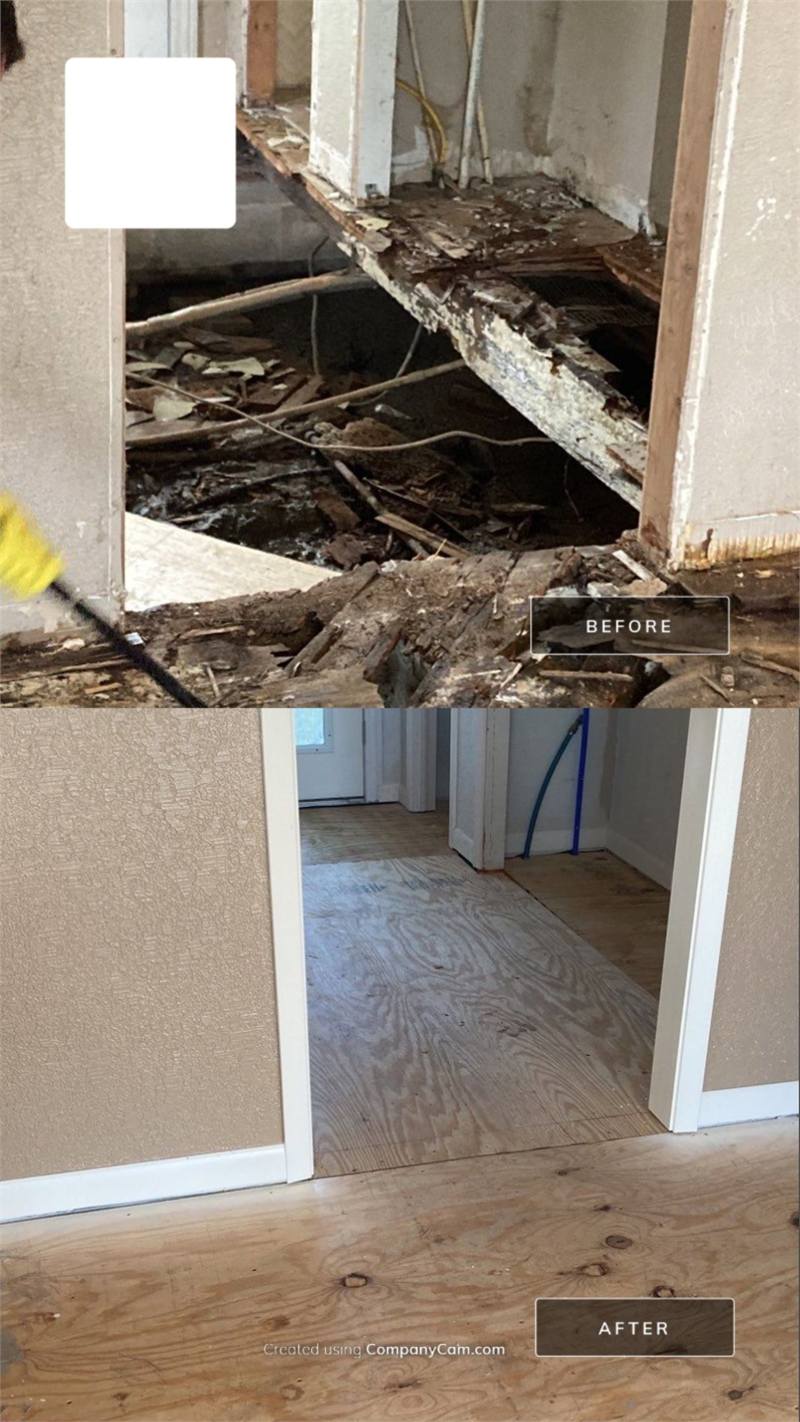
Crain Bros Inc exposes concealed damage, evaluates joists and subflooring, removes deteriorated wood, cleans retained materials, and rebuilds the floor system. Our framing services cover structural and nonstructural repairs required after remediation.
Mold in Insulation and Wall Cavities
Crain Bros Inc selectively opens walls, ceilings, floors, attics, and crawlspaces to reach mold hidden behind finishes. Affected insulation can be removed during remediation and replaced through our insulation services after the cavity is clean, dry, and ready to close.
Mold on Framing and Structural Materials
Crain Bros Inc evaluates studs, joists, rafters, decking, sill areas, and other wood components to separate materials that can be cleaned from deteriorated framing that must be repaired or replaced. Property owners can view framing repair services for the rebuild.
Mold After Flooding or Water Damage
Crain Bros Inc addresses mold that develops after flooding, roof leaks, appliance failures, plumbing damage, or incomplete drying. The EPA homeowner guide explains why water-damaged areas must be dried and the water problem corrected. Our water damage restoration services cover water removal, structural drying, damaged materials, and repairs that may overlap with mold remediation.
Mold Around Windows and Exterior Walls
Crain Bros Inc checks mold around windows and outside walls for failed flashing, sealant gaps, siding transitions, condensation, missing insulation, and concealed water intrusion. Our window and door services address damaged openings included in the repair plan.
High Humidity, Condensation, and Recurring Mildew
Crain Bros Inc investigates why mold or mildew returns after surface cleaning by reviewing humidity, condensation, ventilation, crawlspace moisture, HVAC operation, drainage, and wet building materials. The EPA identifies moisture control as the key to controlling indoor mold, so the moisture source must be addressed with the visible growth. Our foundation, drainage, and waterproofing services address moisture entering around or beneath the building.
Musty Odors and Concealed Mold
Crain Bros Inc investigates musty odors by checking moisture paths, HVAC operation, wall and floor cavities, attics, crawlspaces, cabinets, and materials hidden behind finishes. The musty-odor property owner guide explains clues that can help narrow down the source.
Indoor Air Quality and Indoor Environmental Quality Concerns
Crain Bros Inc addresses damp materials, moisture sources, containment, affected HVAC components, cleaning, drying, and repairs that influence indoor environmental conditions. We document and restore the building; personal health questions belong with qualified medical professionals.