Storm Damage Restoration in Northeast Arkansas

Crain Bros Inc is a full-service restoration contractor for residential and commercial properties damaged by severe weather across Northeast Arkansas. The work begins with emergency property damage mitigation and continues through inspection, assessment, restoration design, selective removal, structural drying when required, repairs, reconstruction, final inspection, and project documentation. Family owned and operated since 1984, Crain Bros Inc manages the complete restoration instead of leaving the property owner to coordinate separate stages and trades.

Property Owner Storm Damage Guide

The first decisions after a storm can affect how much additional damage occurs. This guide gives property owners a practical path from the first safety concerns through inspection, documentation, repair planning, restoration, and completed work.

Discuss Your Property Damage

Protect People Before Property

Stay away from fallen electrical lines, unstable trees, damaged roof areas, hanging materials, broken glass, and portions of the building that may have shifted or become unsafe.

Document Visible Conditions Safely

Record visible roof, siding, gutter, window, door, tree-impact, debris, and interior conditions from safe locations. Do not climb onto a damaged roof or enter an area that may be unstable.

Stop Additional Weather Damage

Storm-created openings allow the weather to continue damaging the property after the storm has passed. Emergency coverings and temporary closures stop additional wind and rain before interior mitigation and restoration work begins.

Protect the Property from Further Damage

Emergency property damage mitigation stops continued weather exposure and stabilizes unsafe conditions. The work may include roof tarping, board-up, temporary enclosures, or structural stabilization while the property is inspected and the restoration is designed.

Have the Complete Property Inspected

Storm inspection should include the roof, siding, gutters, fascia, soffits, windows, doors, exterior walls, framing, attic, ceilings, interior surfaces, and locations where water or impact may have traveled.

Inspect Behind the Visible Damage

Damage visible on the exterior may continue into concealed parts of the property. Inspection determines whether roof decking, wall sheathing, framing, flashing, insulation, interior finishes, or connected building components were also affected.

Check for Water Entry

If the building envelope was open, water may have entered the attic, wall cavities, insulation, ceilings, flooring, or other materials. Those conditions need to be inspected and addressed separately from the exterior repair.

Develop the Repair and Restoration Plan

The restoration plan should connect emergency property damage mitigation, inspection findings, restoration design, selective removal, structural drying when required, exterior restoration, interior reconstruction, permits, inspections, and final verification.

Keep the Project Documented

Project documentation records the property conditions at each stage of the restoration. The property owner receives a clear account of the inspection findings, approved scope, work progress, completed repairs, reconstruction, and final conditions.

Step-by-Step Storm Damage Restoration Process

Property restoration after severe weather begins with emergency property damage mitigation and continues through inspection, assessment, restoration design, selective removal, structural drying when required, repairs, reconstruction, final inspection, and project documentation.

Plan the Property Restoration

1. Storm Damage Intake and Immediate Property Needs

Document what happened, identify immediate safety concerns, determine where the property remains exposed to the weather, and establish which emergency measures are needed first.

2. Immediate Safety and Hazard Review

Identify fallen trees, unstable structural components, damaged electrical service, sharp debris, broken glass, open roof areas, unsafe access, and other conditions that may affect people or the property.

3. Emergency Weather Protection and Structural Stabilization

Cover damaged roof areas, close broken openings, stabilize unsafe building components, and stop additional wind and rain from entering the property. This emergency mitigation must be completed before interior removal, drying, and restoration can proceed.

4. Exterior and Building Envelope Inspection

Inspect the roof and exterior building envelope to identify property damage caused by wind, hail, falling trees, debris, tornadoes, and water entry. The inspection covers roofing, decking, underlayment, flashing, siding, sheathing, gutters, fascia, soffits, windows, doors, trim, penetrations, transitions, and adjoining exterior components.

5. Structural Damage Inspection and Assessment

Inspect the structural components affected by the storm and determine how the damage changed the condition of the property. The assessment addresses framing, roof structure, wall systems, supports, connections, movement, impact locations, and adjoining components before the restoration is designed.

6. Interior and Concealed Water-Entry Investigation

Inspect attics, ceilings, walls, insulation, flooring, rooms, and concealed areas that may have received rain or moisture through the damaged building envelope.

7. Property Damage Analysis and Documentation

Analyze the inspection findings by property location, building system, assembly, material, and type of damage. The documentation establishes the conditions that must be addressed through mitigation, restoration design, repairs, or reconstruction.

8. Inspection Findings and Property Owner Report

Report the documented conditions to the property owner and identify the work supported by the inspection findings. The report distinguishes emergency mitigation needs, concealed conditions, structural concerns, drying requirements, restoration design needs, repairs, and reconstruction.

9. Restoration Design, Scope Development, and Project Planning

Use the inspection findings and documented property conditions to design the restoration. The scope coordinates emergency property damage mitigation, selective removal, structural work, structural drying when required, exterior restoration, interior reconstruction, permits, inspections, and the trades required for the property.

10. Selective Removal of Unsalvageable Materials

Remove storm-damaged and water-affected materials that cannot be restored. Selective removal exposes concealed areas, makes trapped moisture accessible, and prepares the property for effective drying and restoration.

11. Property Damage Mitigation and Structural Drying

When a storm-created opening allows water into the property, remove the remaining water and dry the affected structure after unsalvageable materials have been removed. Moisture readings guide the drying work until the materials that will remain are ready for restoration.

12. Exterior and Structural Restoration

Perform the approved roofing, siding, gutter, fascia, soffit, window, door, framing, sheathing, flashing, weather-barrier, and related exterior or structural work.

13. Interior Restoration and Reconstruction

Repair ceilings, walls, insulation, flooring, trim, paint, cabinetry, mechanical components, electrical components, and other interior conditions affected by the storm or resulting water entry.

14. Final Inspection and Completion Documentation

Review the completed work, document repaired and reconstructed conditions, address remaining project items, and provide the property owner with the project documentation developed through the restoration.
Hail and Wind Damage to the Building Exterior

Hail and wind can affect several exterior systems during the same storm. Roofing, siding, gutters, flashing, trim, and the weather-resistant materials behind them should be evaluated as connected parts of the building envelope.

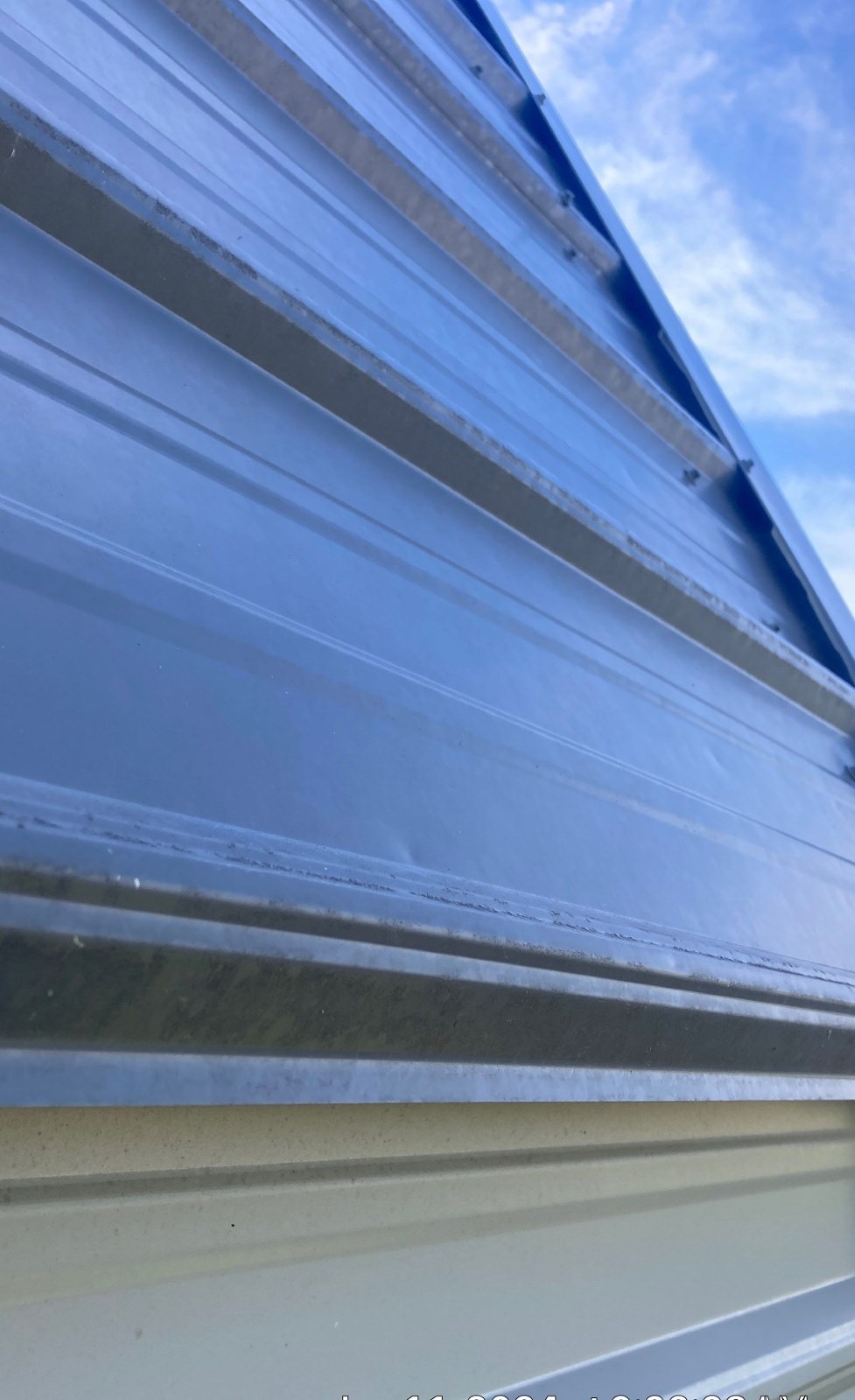
Hail damage affecting exterior materials on a Northeast Arkansas home

Exterior Property Damage Caused by Hail

Hail can strike roofing, siding, trim, gutters, and other exterior surfaces during the same event. The inspection follows the impact across the building rather than treating each visible mark as an isolated cosmetic issue.

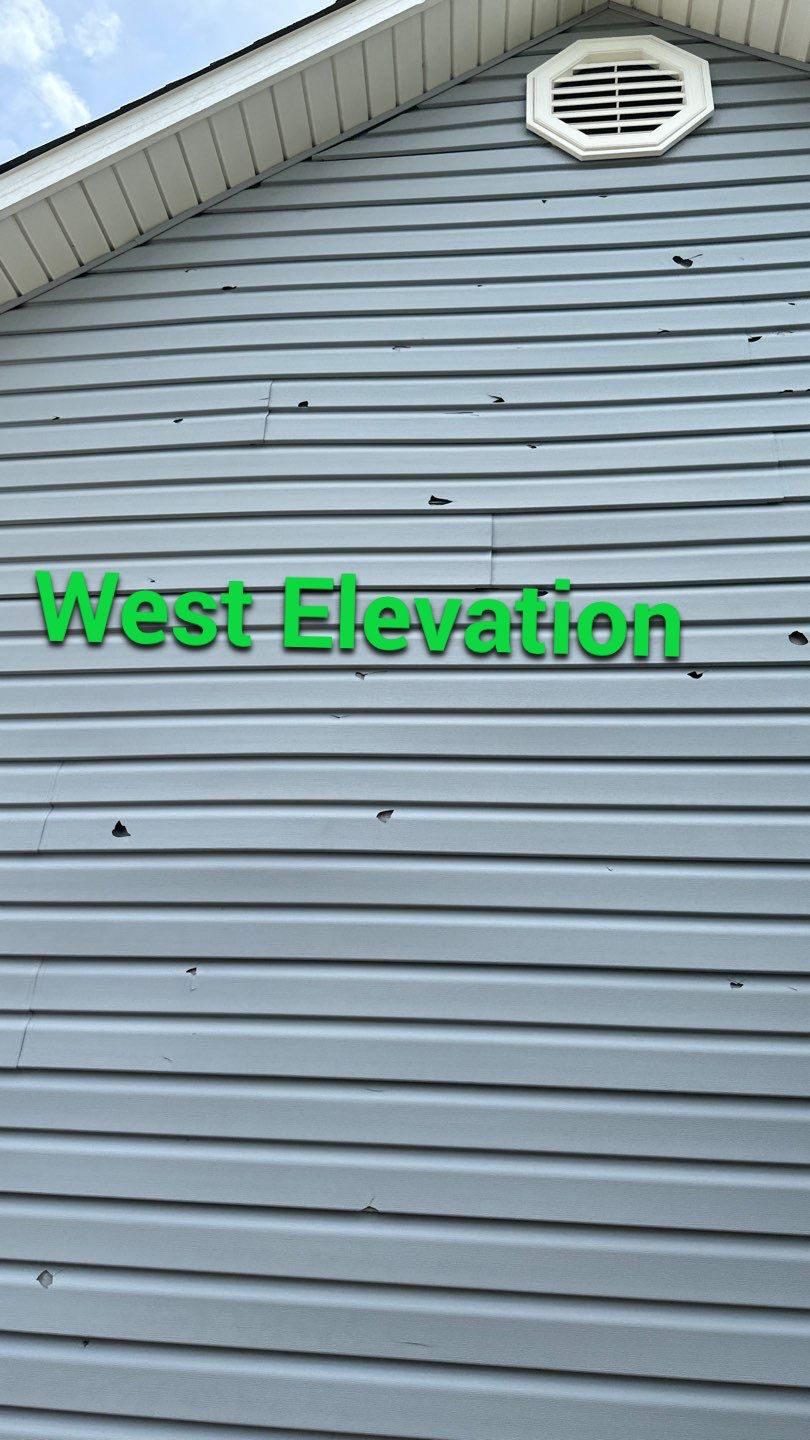
Hail impact damage to residential siding requiring exterior inspection and repair planning

Siding Damage Caused by Hail

Hail damaged the siding at multiple locations. The inspection determines which siding must be replaced and whether the storm also affected trim, flashing, sheathing, or concealed wall components.

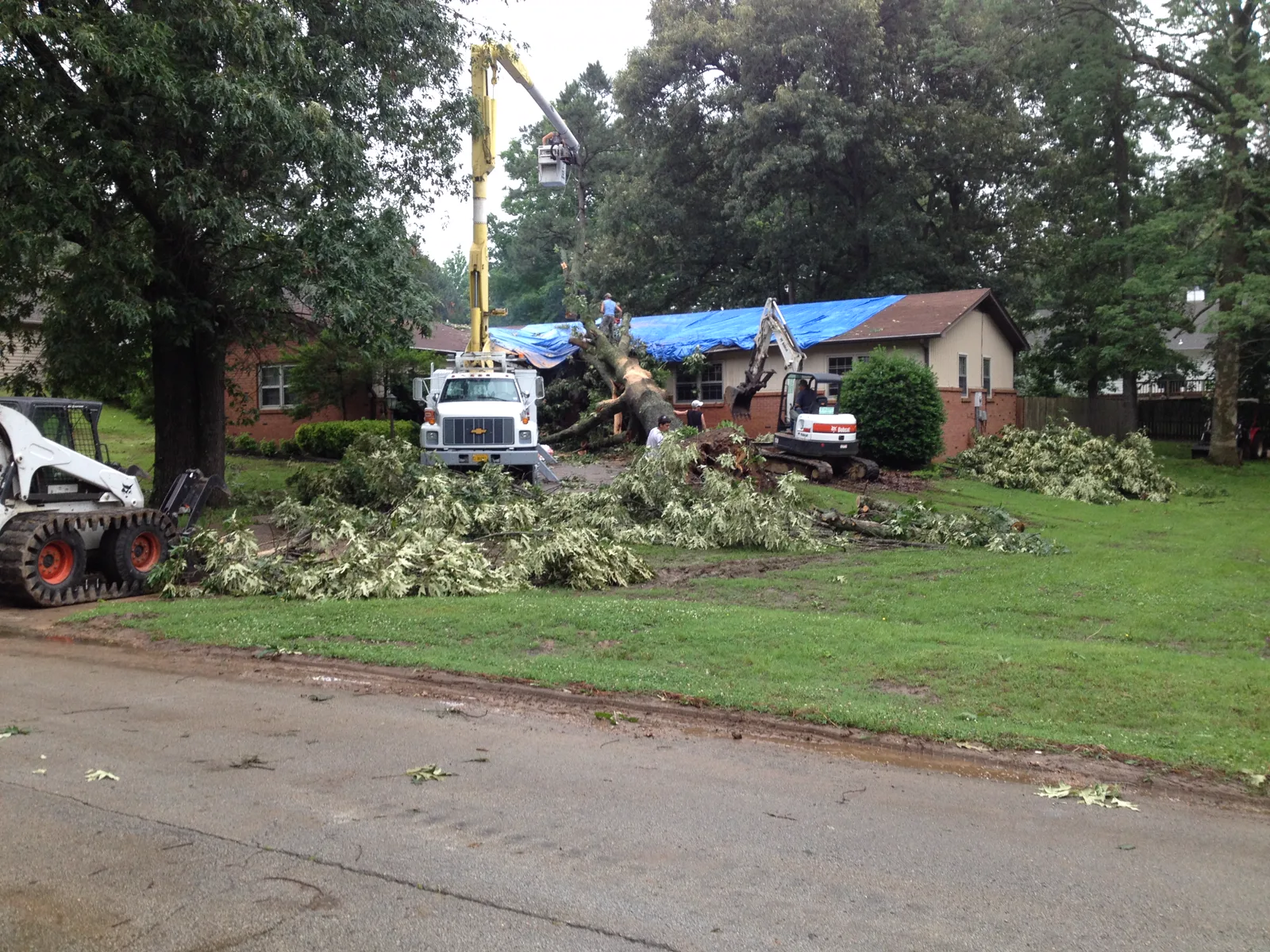
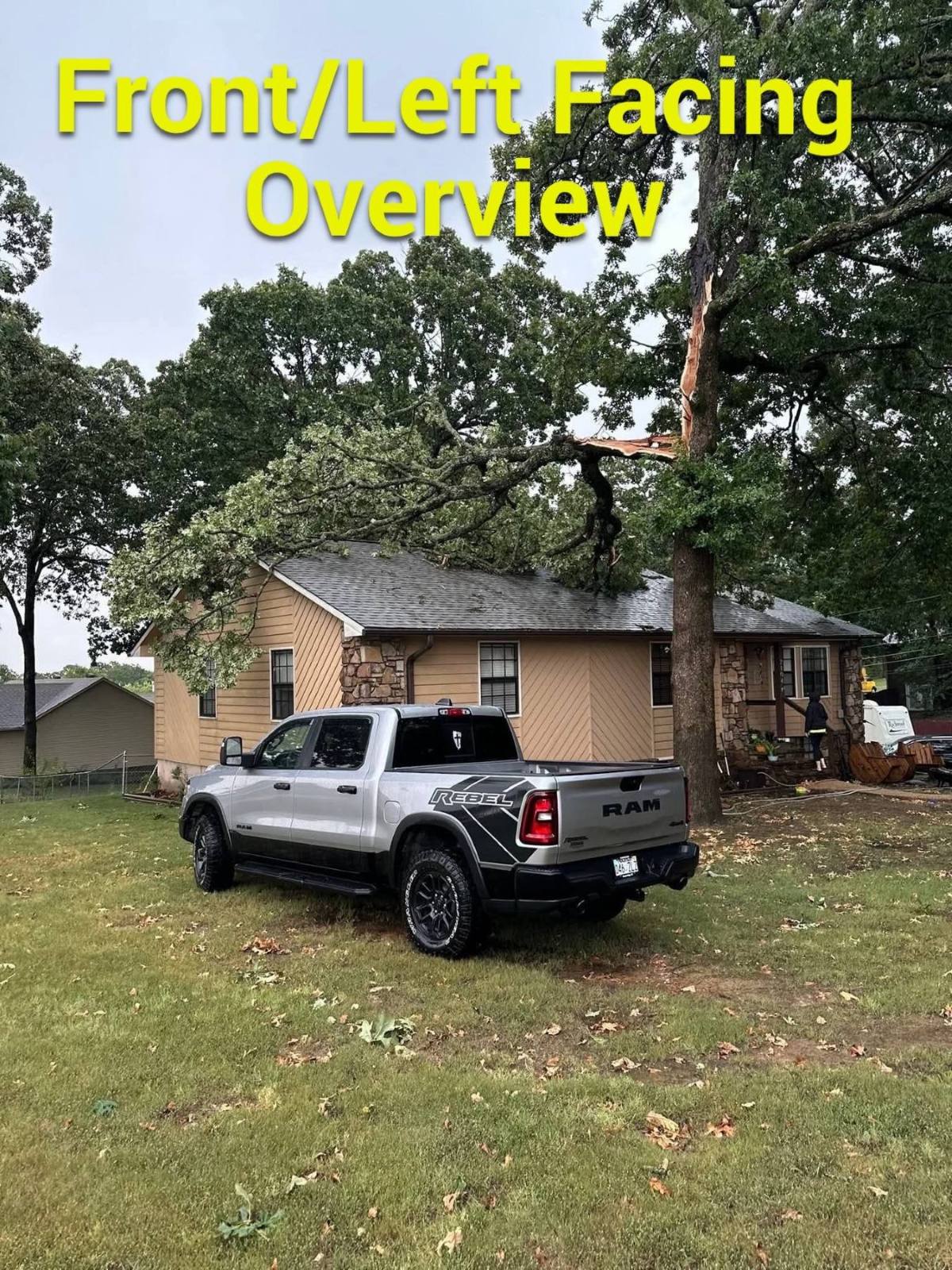
Tree fallen through the roof of a storm-damaged Northeast Arkansas property

Property Damage Caused by a Fallen Tree

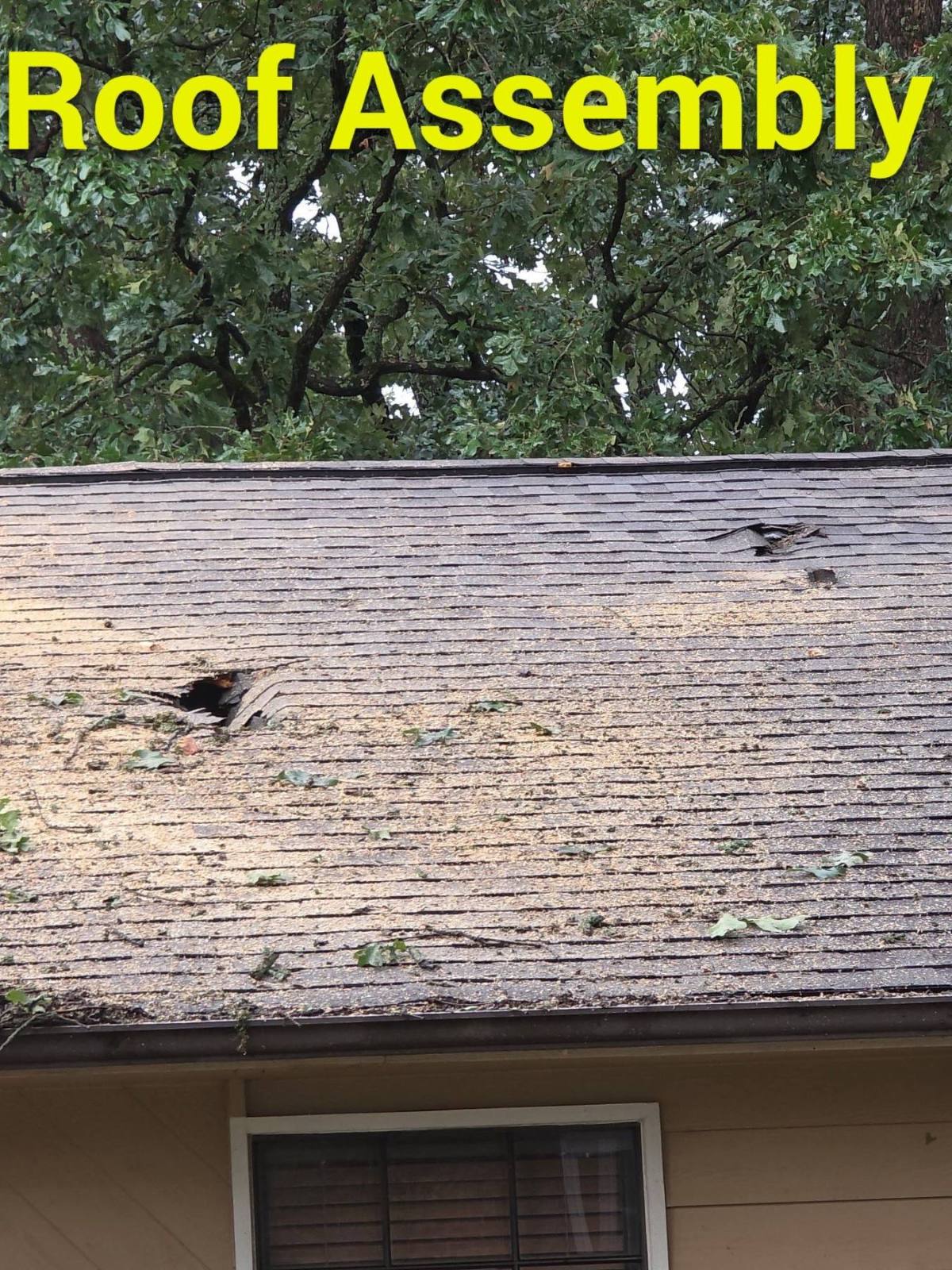
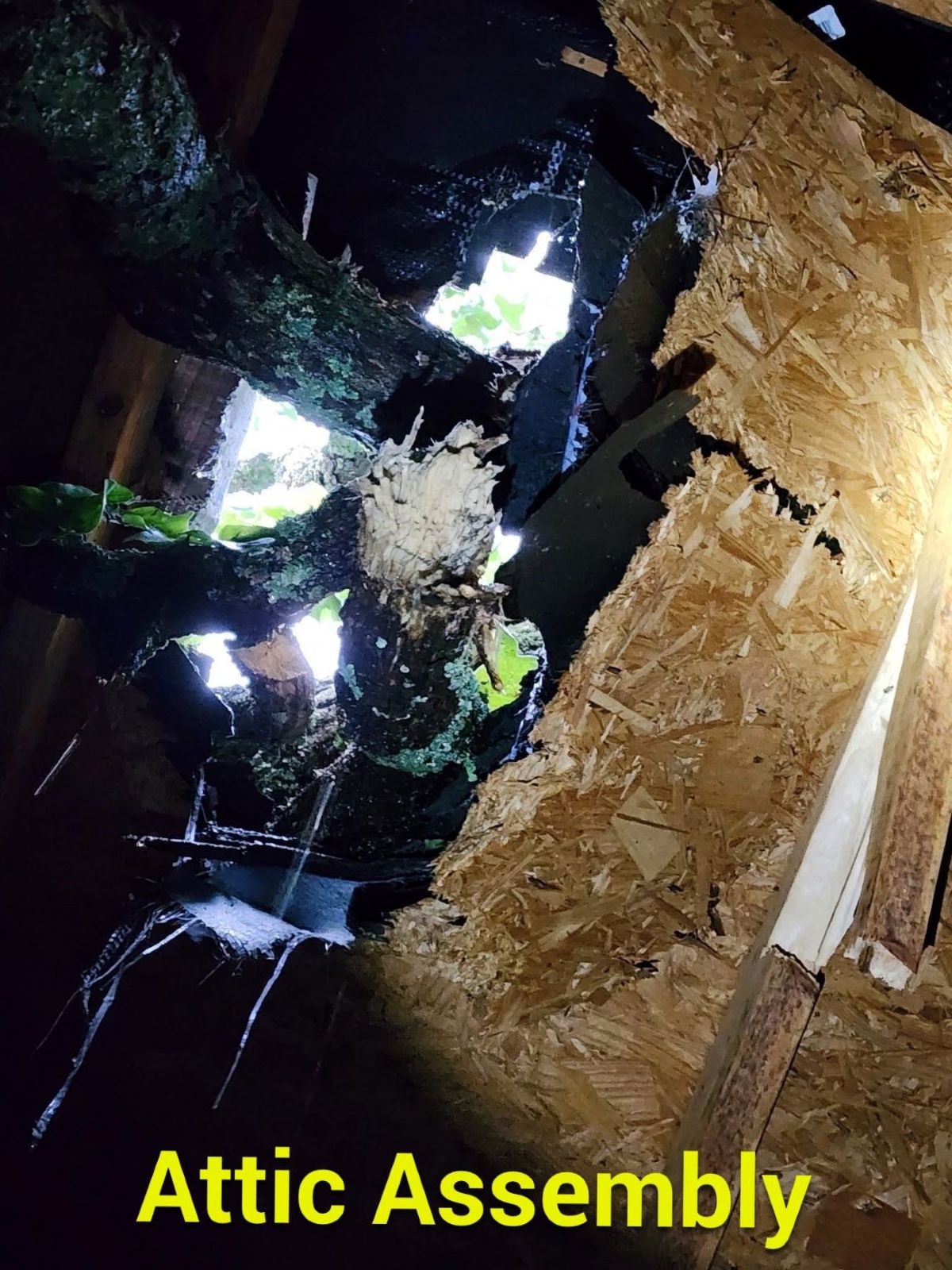
A tree fell through the roof and opened the building directly to the weather. The property requires tree-removal coordination, emergency weather protection, and inspection of the roofing, decking, framing, ceilings, and interior areas below the impact.

Storm-damaged roof requiring inspection for visible and concealed building damage

Roof Damage Caused by Severe Weather

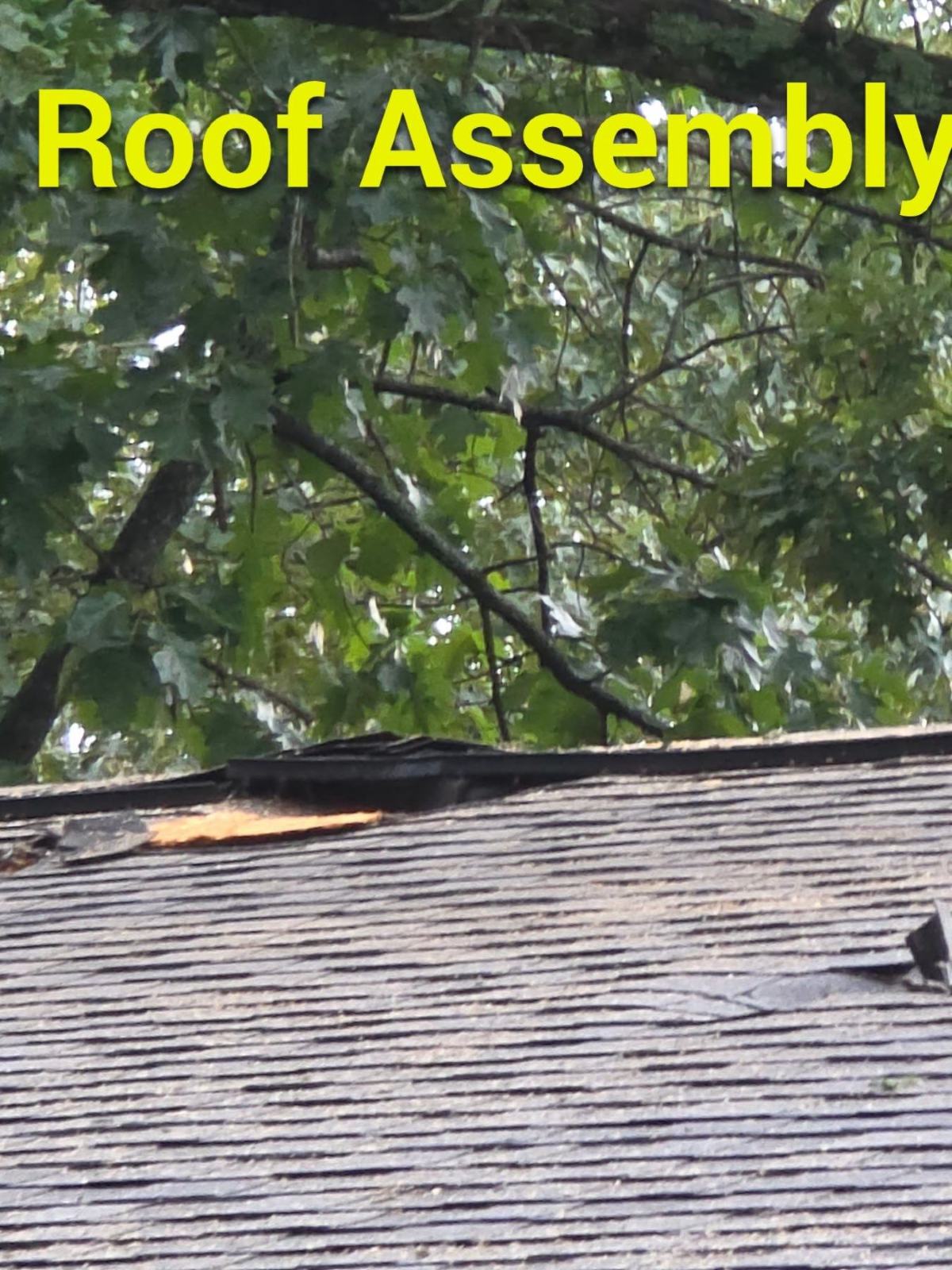
Roof damage is evaluated together with the decking, underlayment, flashing, penetrations, attic, insulation, and interior areas beneath it so hidden water entry or impact damage is not covered by a surface repair.

Structural Damage to Property Caused by Falling Trees and Tornadoes

Falling trees and tornadoes can damage the roof, framing, exterior walls, openings, utilities, ceilings, and occupied areas inside a property. The inspection follows the damage from the point of impact through every connected part of the structure.

Tree impact damage affecting the roof of a Northeast Arkansas property after a storm

Roof and Structural Damage Caused by a Falling Tree

A tree impact can damage roofing, decking, rafters, trusses, framing connections, ceilings, and interior finishes. The restoration scope follows the force of the impact through the connected structure.

Roof and building damage caused by a tree falling during a severe storm

Property Damage Caused by a Fallen Tree

When a tree falls onto a building, removing the tree is only the first need. The roof and structural components beneath the impact must be protected, inspected, documented, and incorporated into the permanent repair plan.

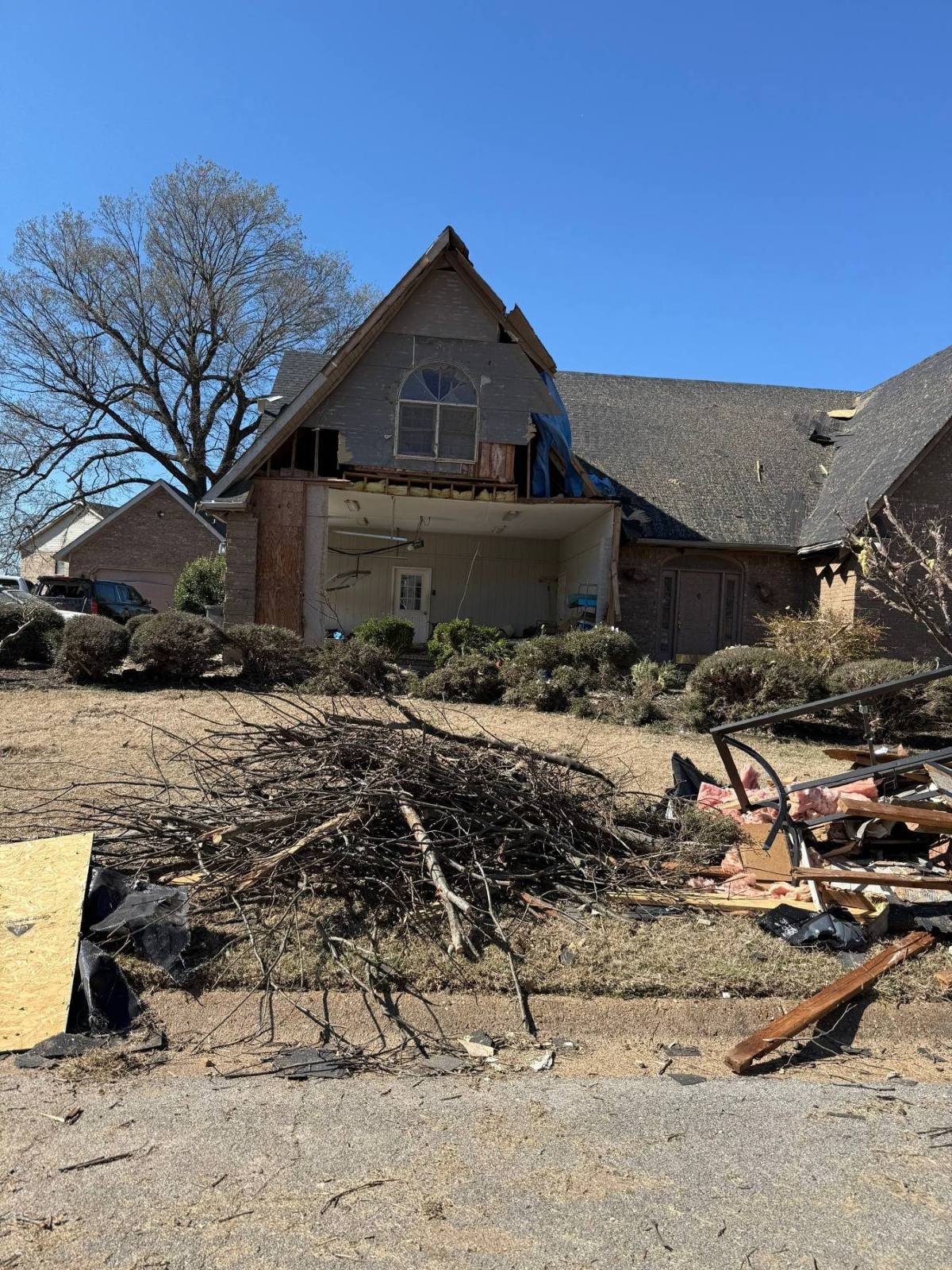
Tornado damage affecting the structure and exterior systems of a Northeast Arkansas home

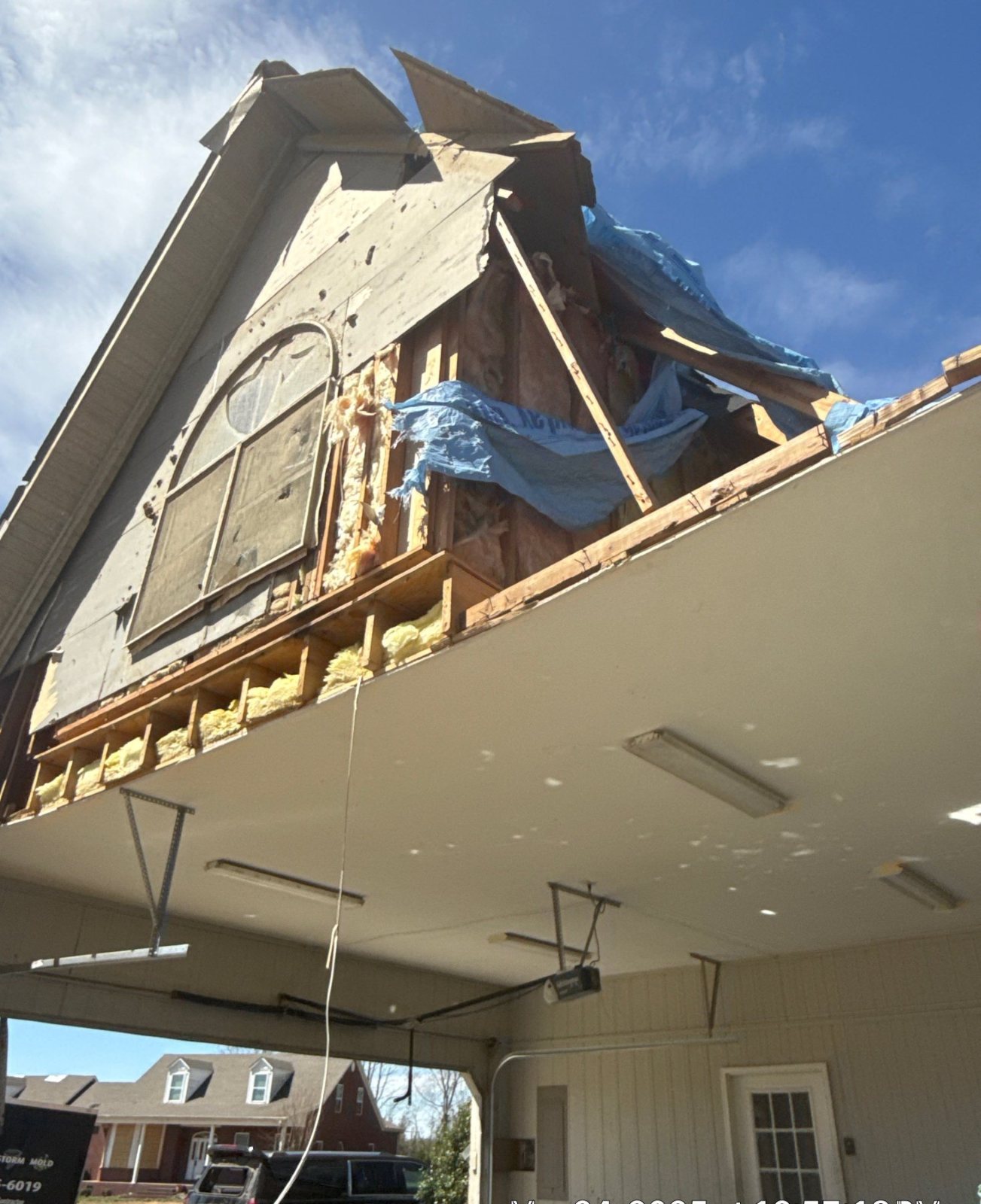
Structural Damage to Property Caused by a Tornado

Tornado damage may involve several sides and levels of a building at once. Inspection considers the roof, walls, framing, openings, utilities, attached components, and interior spaces before restoration decisions are made.

Tornado damage to a home exterior requiring stabilization and comprehensive restoration planning

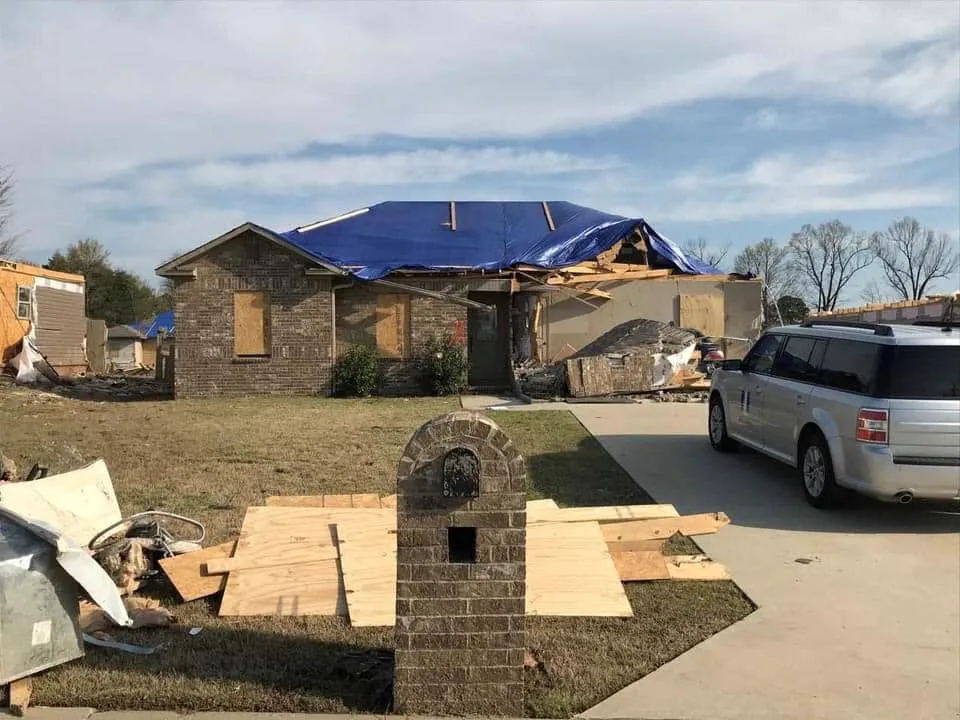
Exterior Property Damage Caused by a Tornado

Severe exterior damage can leave the building vulnerable to weather and may indicate movement or damage beyond the visible surfaces. Emergency protection and a complete assessment provide the starting point for safe restoration.

Emergency Weather Protection and Restoration Planning

Temporary protection is not the permanent repair. Emergency work helps keep the property from being damaged again while inspection, documentation, design, scheduling, and restoration planning move forward.

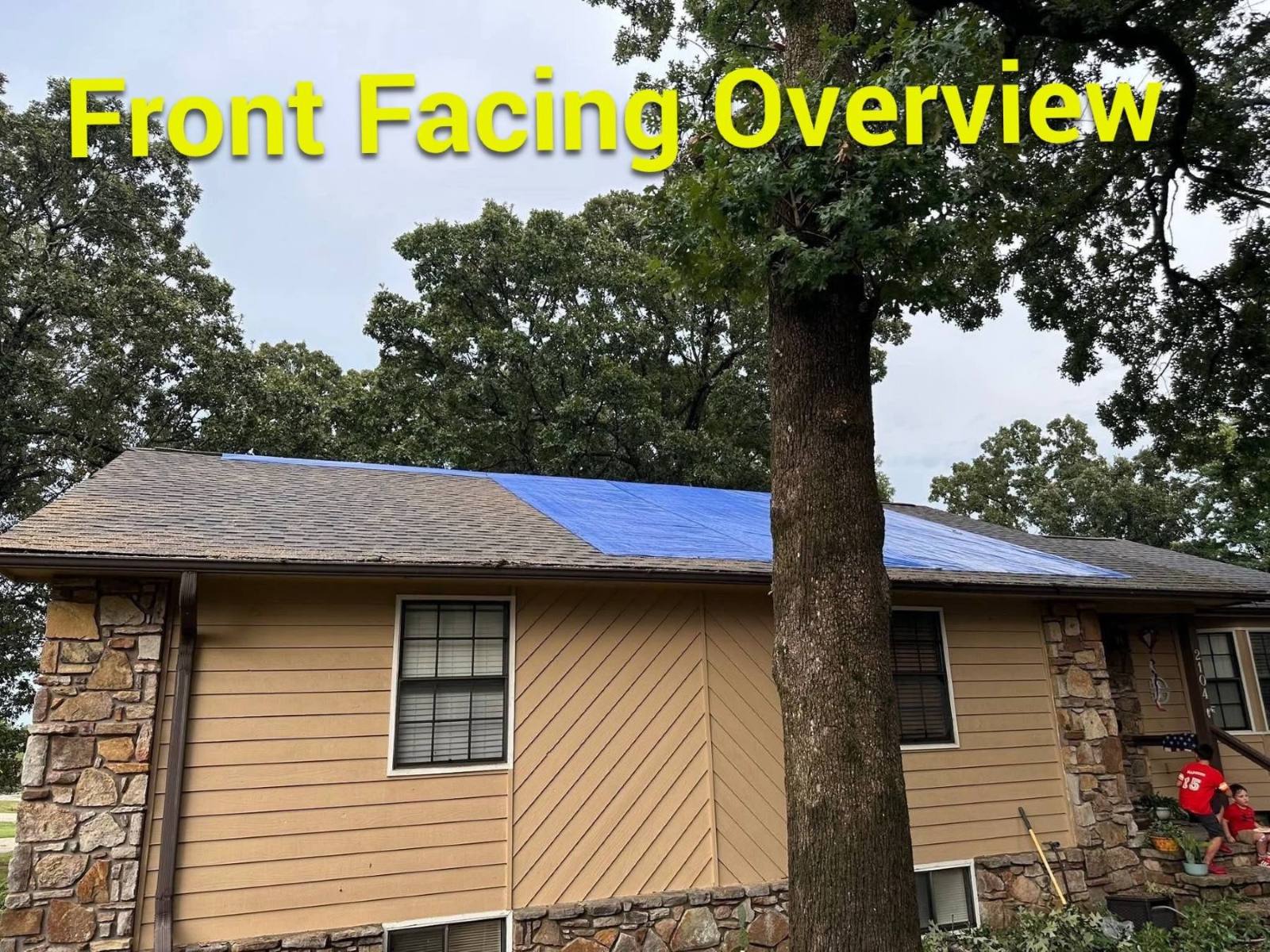
Temporary roof tarping protecting a storm-damaged property from additional rain

Temporary Roof Tarping After Storm Damage

Temporary roof covering protects an open or damaged roof from additional rainfall while the roof condition, connected damage, repair scope, materials, and permanent work are being organized.

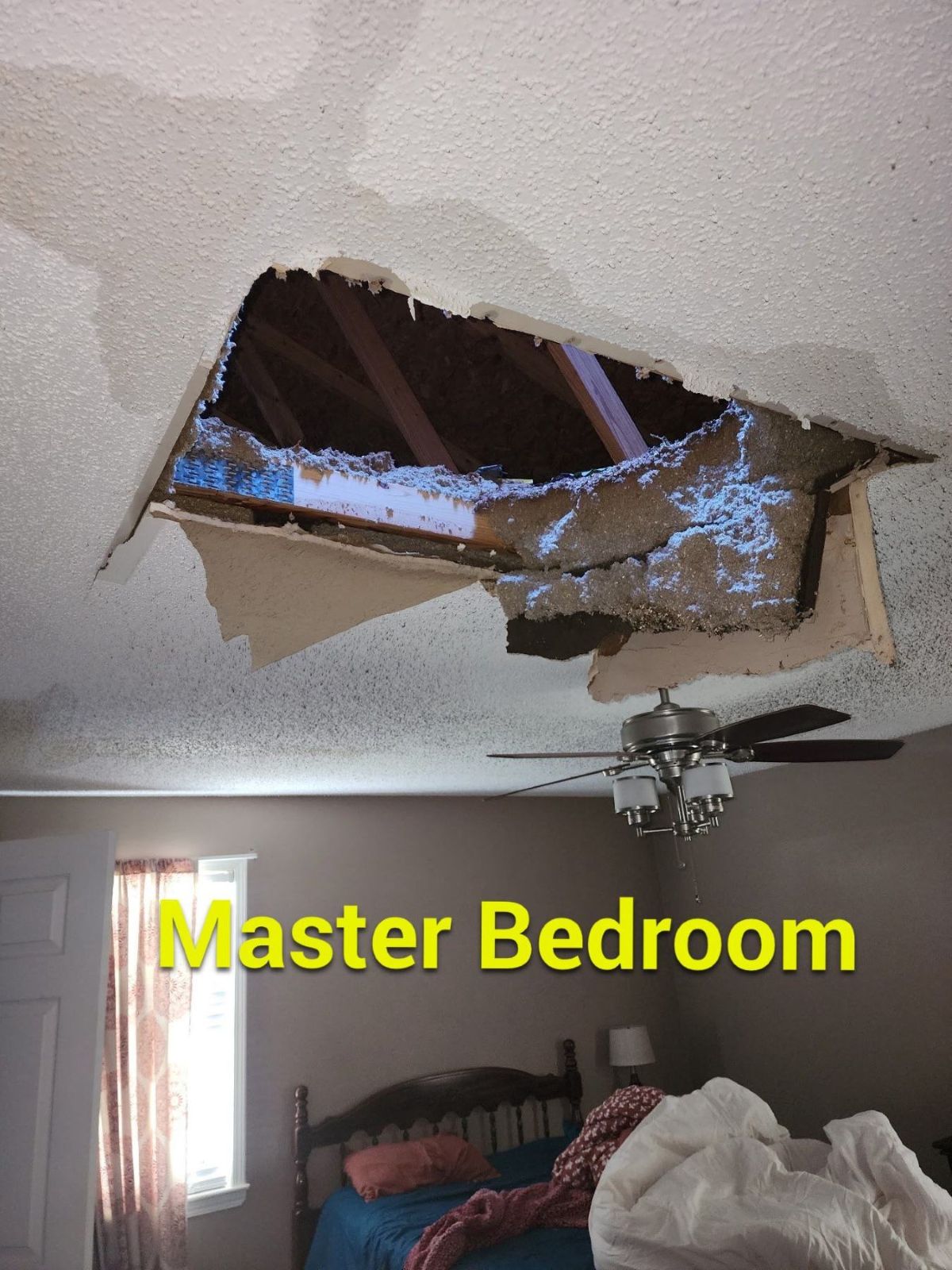
Interior ceiling and room damage below a storm-created opening in the roof

Interior Damage Below a Storm-Created Roof Opening

The storm-created opening left the interior ceiling exposed to the outdoors. Emergency weather protection must stop additional rain from entering before damaged ceiling materials are removed, concealed moisture is addressed, and the roof and interior are restored.

Storm Damage Restoration Services

Emergency Roof Tarping

Temporary roof protection for open or damaged roof areas while inspection and permanent restoration planning proceed.

Emergency Board-Up

Temporary protection for damaged windows, doors, wall openings, and other exposed portions of the building envelope.

Temporary Structural Stabilization

Temporary support and protection when storm or impact damage affects structural components or safe access.

Wind Damage Restoration

Inspection and repair of roofing, siding, trim, flashing, openings, framing, and other systems affected by wind.

Hail Damage Restoration

Assessment and restoration of hail impact damage affecting roofing, siding, gutters, trim, and exterior surfaces.

Tornado Damage Restoration

Coordinated emergency protection, inspection, repair, and reconstruction for multiple building systems affected by severe wind.

Fallen Tree and Impact Damage

Structural, roof, wall, opening, and interior restoration after trees, limbs, or debris strike the building.

Roofing and Exterior-Envelope Repairs

Repairs involving roofing, decking, underlayment, flashing, siding, sheathing, weather barriers, fascia, soffits, windows, doors, and trim.

Property Damage Mitigation After Water Entry

Property damage mitigation may include water removal, selective removal of unsalvageable materials, moisture documentation, and structural drying when rain enters through storm-created openings.

Interior Repairs and Reconstruction

Restoration of ceilings, walls, insulation, flooring, trim, paint, cabinetry, and building systems affected by storm damage or water entry.

Properties Involved in Insurance Claims

Crain Bros Inc works on properties involved in insurance claims as a contractor. We inspect and document the damage, property conditions, project scope, work progress, repairs, reconstruction, and completed property conditions. That documentation is provided to the property owner for use on the property owner's own behalf.

Related Services

Storm damage can affect several parts of a property and may require services beyond the immediate storm restoration work.

Building Inspection and Diagnostics

Detailed inspection and diagnostics identify visible damage, concealed conditions, affected building systems, and the information needed to design the restoration.

Learn more

Emergency Response

Emergency property damage mitigation protects exposed openings, stabilizes unsafe conditions, and stops the weather from continuing to damage the property.

Learn more

Water Damage Restoration

Water damage restoration addresses property damage caused when rain or other water enters through storm-created openings.

Learn more

Fire Damage Restoration

Fire damage restoration provides investigation, cleaning, restoration design, repairs, and reconstruction for property damage caused by fire and smoke.

Learn more

Property and Building Restoration

Property and building restoration coordinates the work required to restore damaged building systems, assemblies, materials, and interior spaces.

Learn more

Personal Property and Contents Care

Contents care supports inventory, cleaning, pack-out, storage, deodorization, document recovery, and media recovery for affected personal property.

Learn more

Talk With Crain Bros Inc About Your Storm-Damaged Property

Crain Bros Inc is family owned and operated, has served Northeast Arkansas since 1984, and works on residential and commercial properties. Call to discuss emergency protection, inspection, restoration planning, repairs, and reconstruction.

Talk With Crain Bros Inc

Frequently Asked Questions

What should I do immediately after storm damage?

Keep people away from unstable trees, damaged electrical service, broken glass, hanging materials, open roof areas, and portions of the building that may be unsafe. Document visible conditions from safe locations and arrange emergency protection when the building is open to additional weather.

Can my roof be damaged even when it looks normal from the ground?

Yes. Wind can lift or loosen roofing, and hail or debris can affect roofing materials, flashing, fasteners, underlayment, or decking without creating an obvious opening visible from the driveway. A close inspection is needed to establish the roof condition.

What happens when a tree damages the roof or structure?

The property may need tree removal coordination, emergency protection, temporary stabilization, roof and structural inspection, water-entry investigation, documentation, repair design, and reconstruction. The visible impact point may not represent the full area affected.

Does Crain Bros Inc provide emergency roof tarping?

Yes. Temporary roof tarping can protect damaged roof areas from additional rainfall while the permanent repair and restoration work are being inspected, planned, and scheduled.

How is hail damage to roofing and siding evaluated?

The inspection considers visible impact conditions along with the age, material, installation, surrounding components, flashing, fasteners, weather barriers, and connected building assemblies. Roofing and siding are evaluated as parts of the building envelope rather than isolated surfaces.

What if rain entered before the building was protected?

The attic, insulation, ceilings, walls, flooring, and concealed areas should be inspected for property damage caused by water entry. Property damage mitigation may include selective removal, water removal, moisture documentation, and structural drying before restoration materials conceal those conditions.

Can Crain Bros Inc handle both exterior and interior storm repairs?

Yes. Crain Bros Inc provides emergency property damage mitigation, inspection, roofing, siding, framing, windows, doors, gutters, selective removal, structural drying when required, interior restoration, and reconstruction as one coordinated project.

Do you work on residential and commercial storm damage?

Yes. Crain Bros Inc works on residential and commercial properties throughout Northeast Arkansas.

Do you work on properties involved in insurance claims?

Yes. Crain Bros Inc works on properties involved in insurance claims as a contractor. Crain Bros Inc documents damage, property conditions, project scope, work progress, repairs, reconstruction, and completed conditions for the property owner.

What documentation does the property owner receive?

The documentation may include recorded property conditions, inspection findings, photographs, project scope, work progress, repairs, reconstruction, and completed property conditions developed during the restoration project.