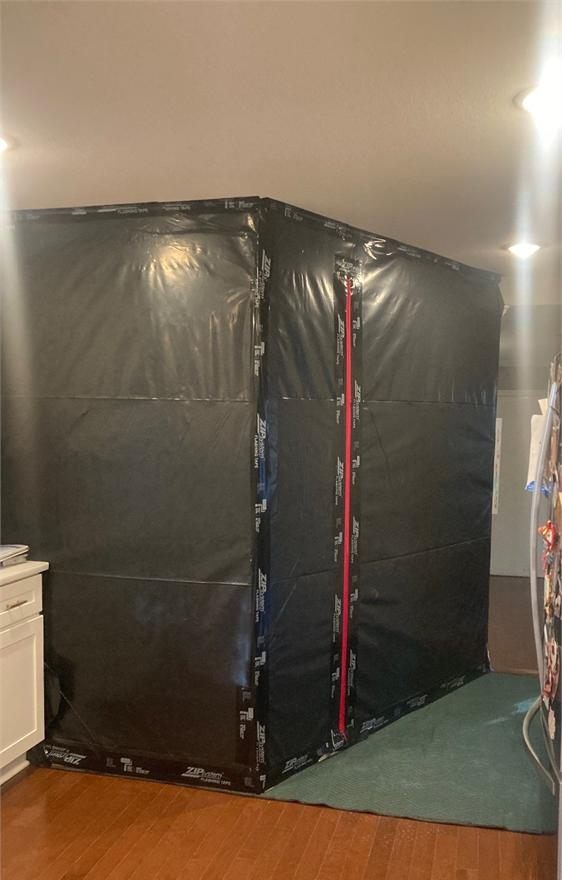
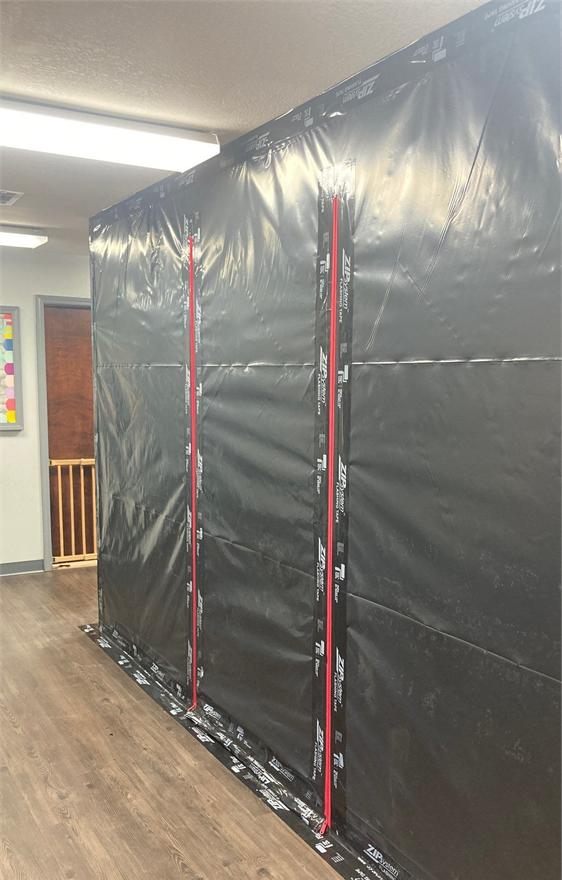
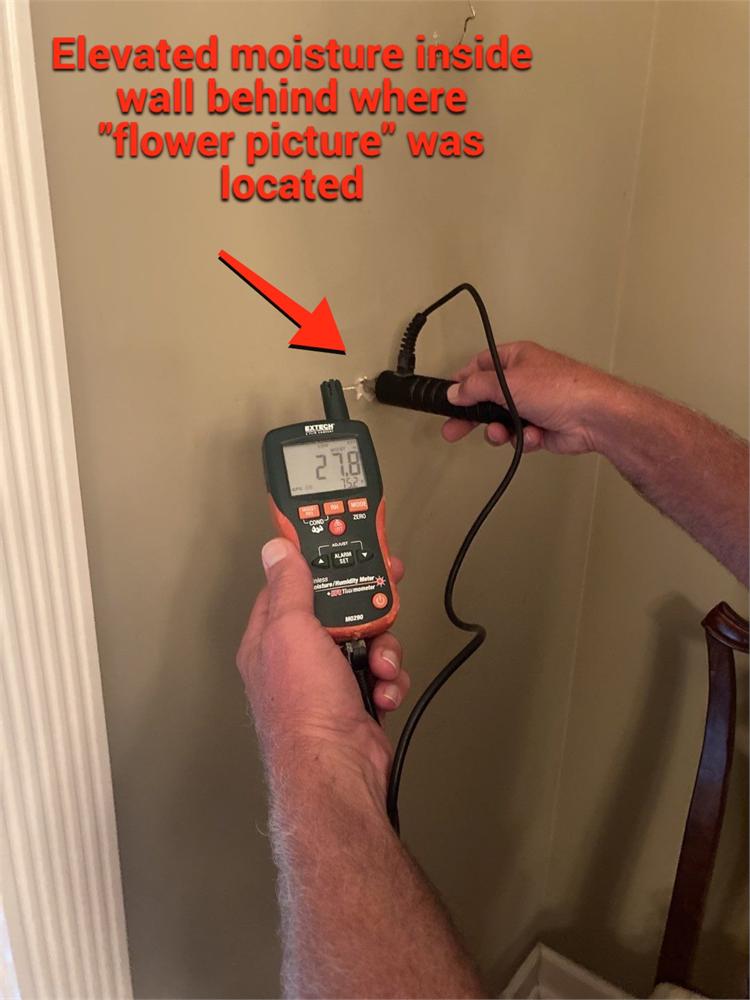
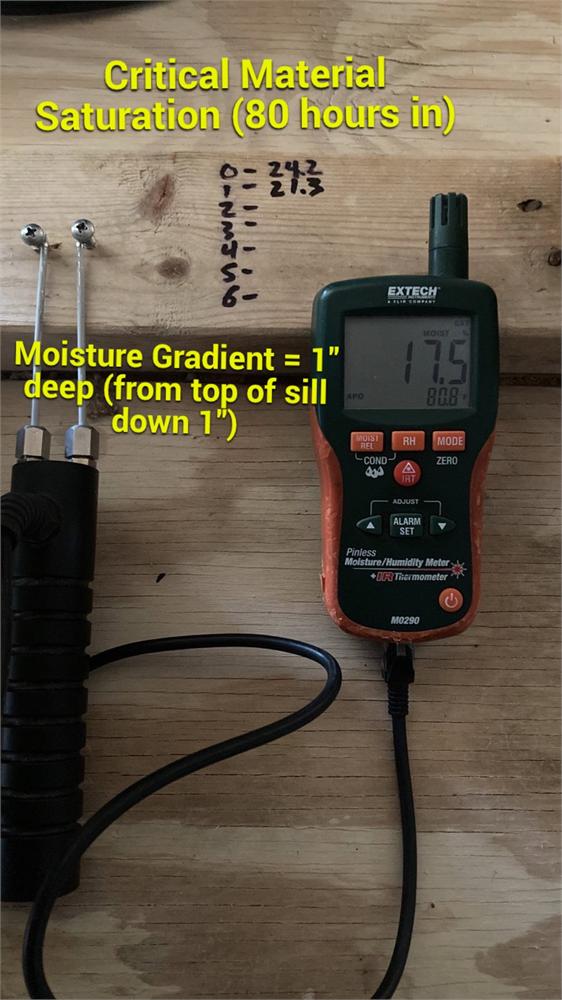
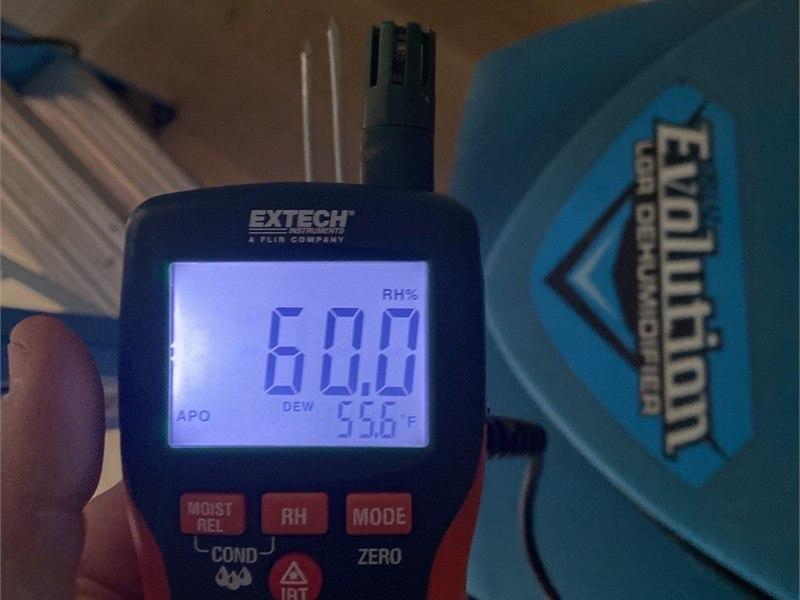
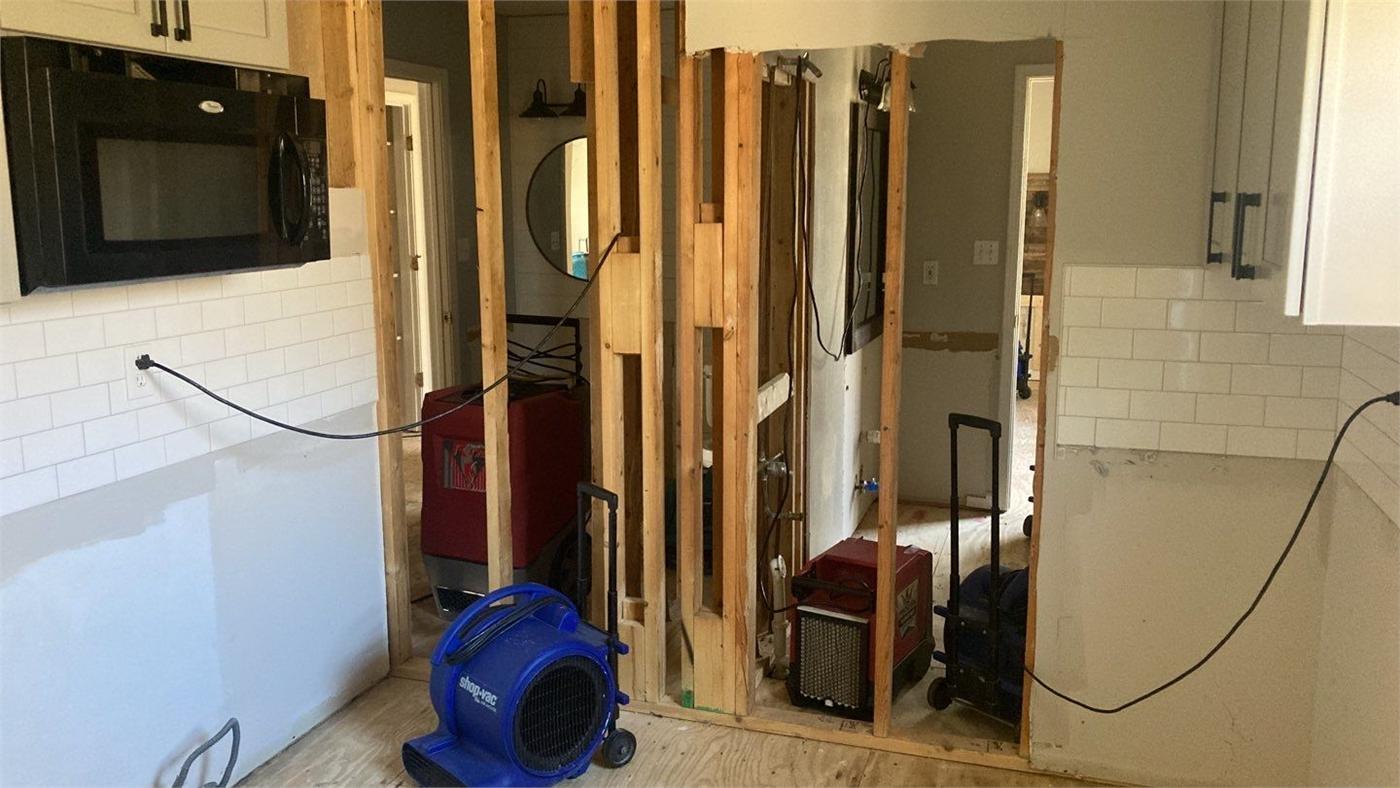
Water damage restoration is not complete when the standing water is gone or the drying equipment is removed. When a home is damaged by water, Crain Bros Inc provides water damage cleanup, structural drying, home repairs, house repairs, and reconstruction based on the rooms, materials, and building systems actually affected. When a business is damaged by water, Crain Bros Inc provides commercial water damage cleanup, business water damage repairs, and commercial building repairs after water damage while accounting for access, equipment, contents, and the work needed to return the property to service. After the source is addressed and the affected area is cleaned, dried, and verified, we repair the actual rooms, systems, and assemblies damaged by the water path throughout Jonesboro and Northeast Arkansas.
Drywall Damage Repair After Water Damage
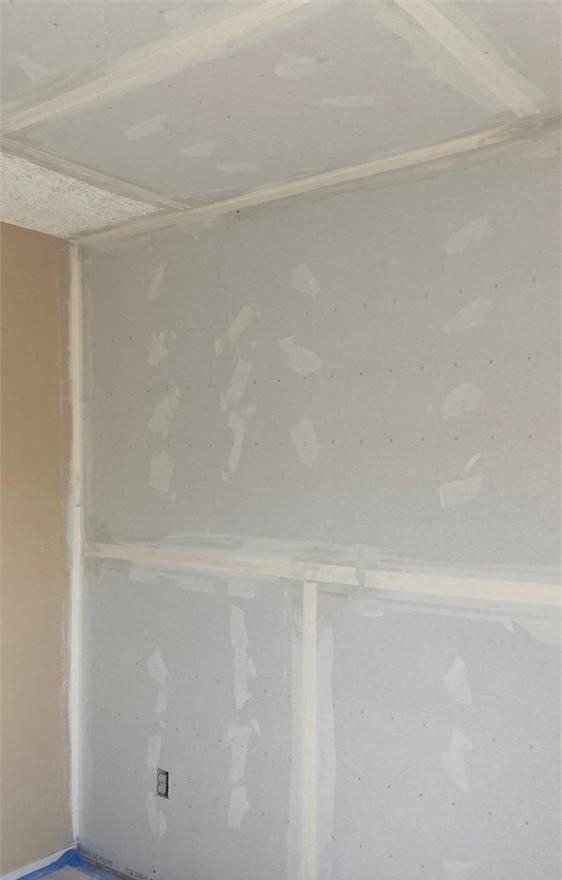
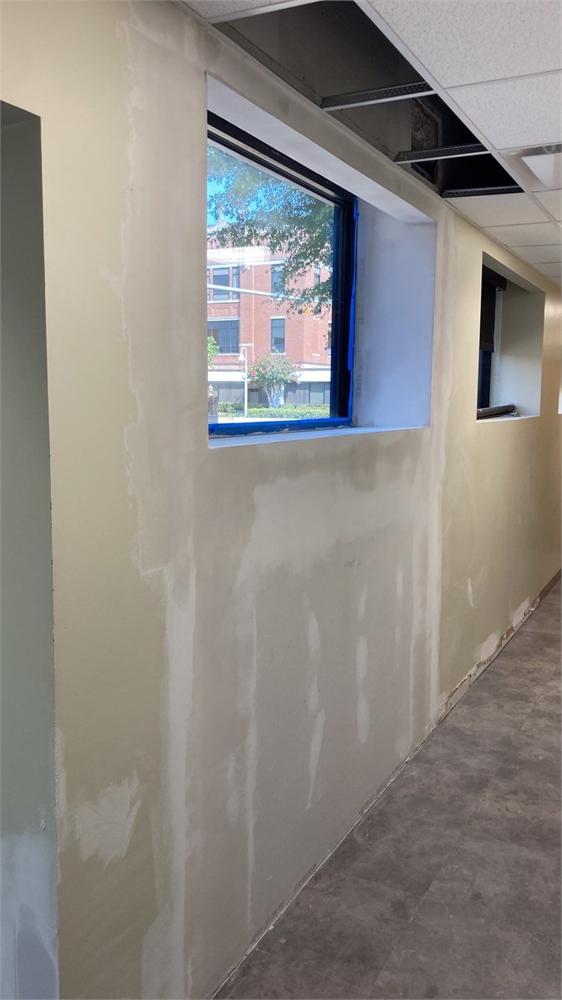
Crain Bros Inc repairs drywall damaged by roof leaks, plumbing leaks, flooding, water heaters, and HVAC condensate problems in Jonesboro and surrounding Northeast Arkansas communities. The solution can include opening the wall or ceiling, removing damaged drywall, evaluating insulation and framing, drying the assembly, installing replacement drywall, finishing the surface, and preparing it for painting. Learn more about our drywall repair services.
Ceiling Water Damage Repair
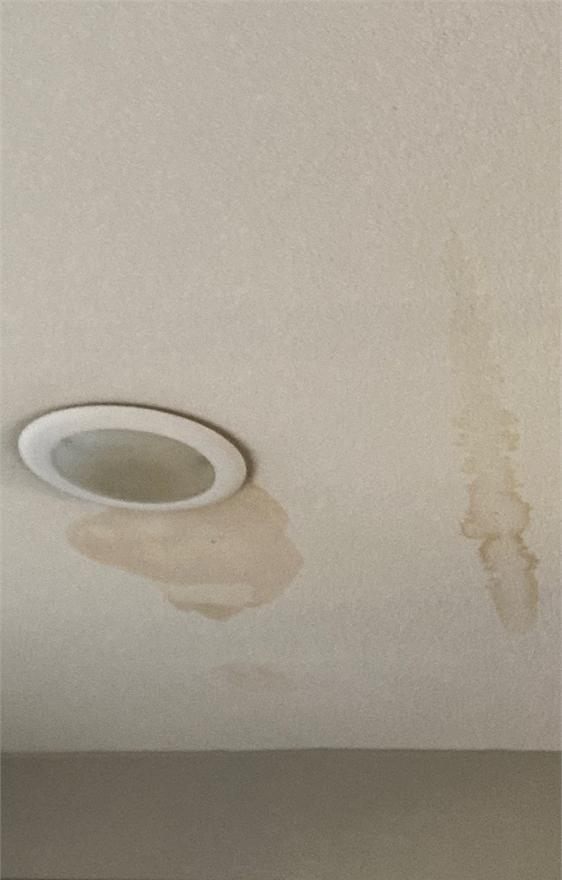
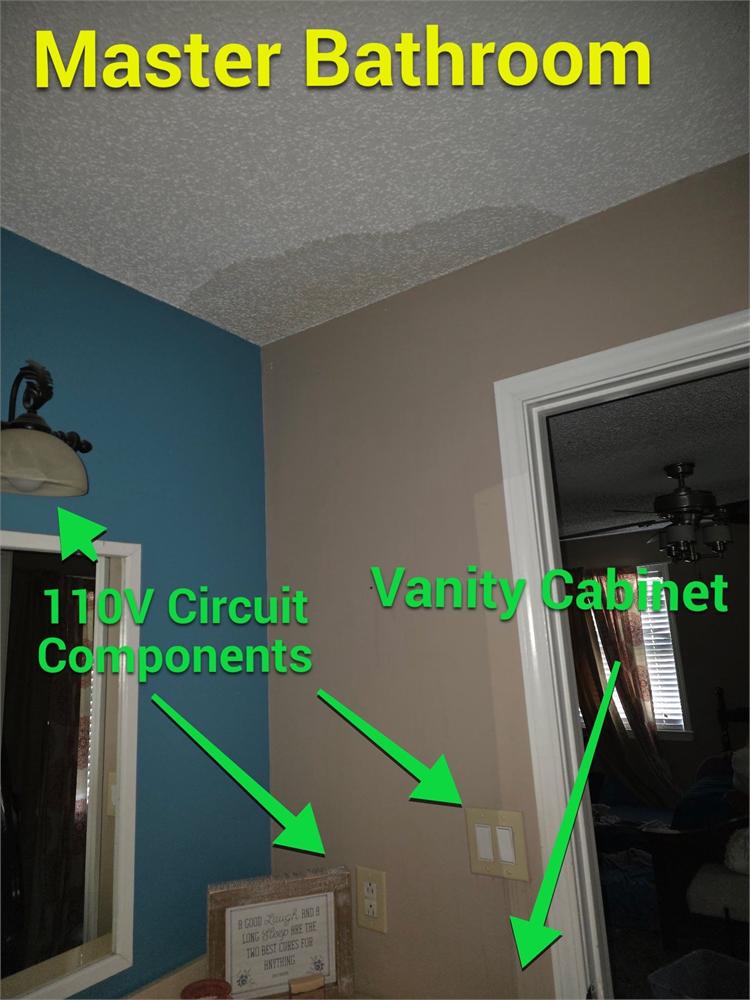
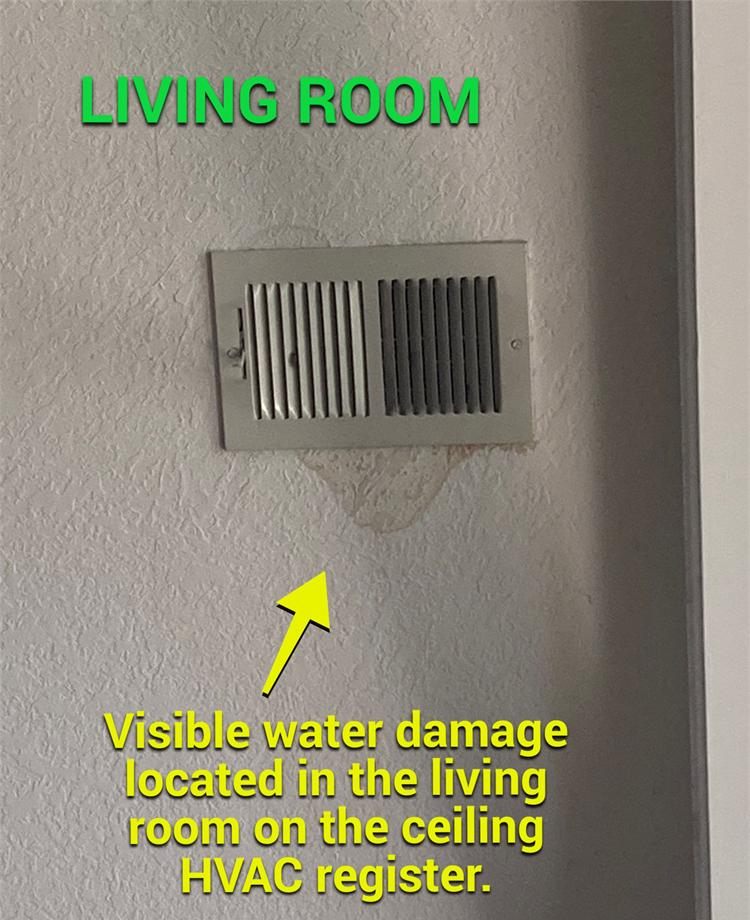
A stained, softened, sagging, or opened ceiling should be repaired only after the source and the space above it are evaluated. Crain Bros Inc repairs ceiling water damage throughout Jonesboro, Paragould, Brookland, Walnut Ridge, Harrisburg, and nearby communities after the leak is corrected and the affected insulation, framing, drywall, texture, lighting, trim, and paint are addressed.
Flooring Repair After Water Damage
Water can damage more than the visible floor covering. Crain Bros Inc evaluates and repairs flooring, adhesive, underlayment, subflooring, floor decking, base trim, cabinets, and supporting framing so the repair follows the complete affected floor assembly.
Cabinet Damage Repair After a Leak
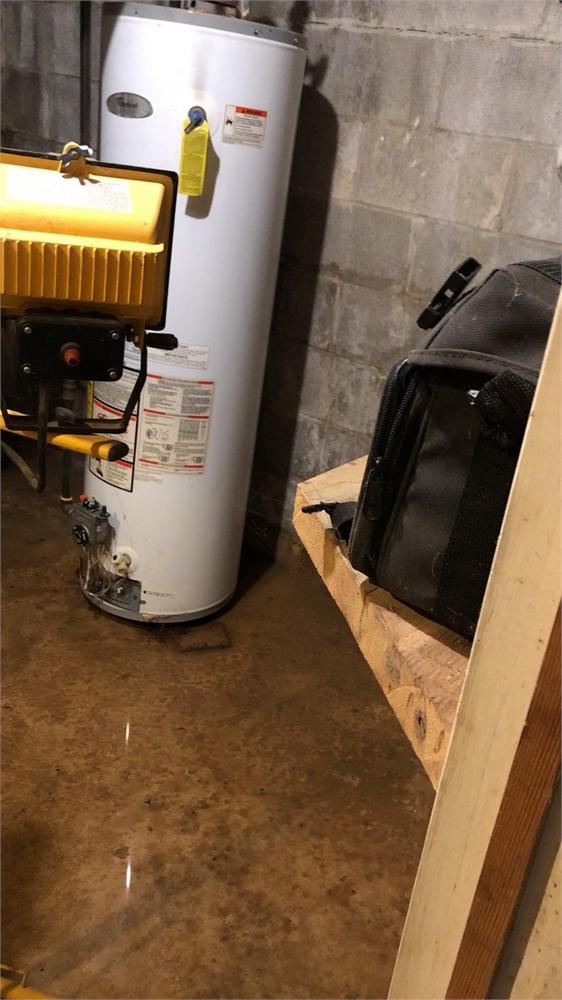
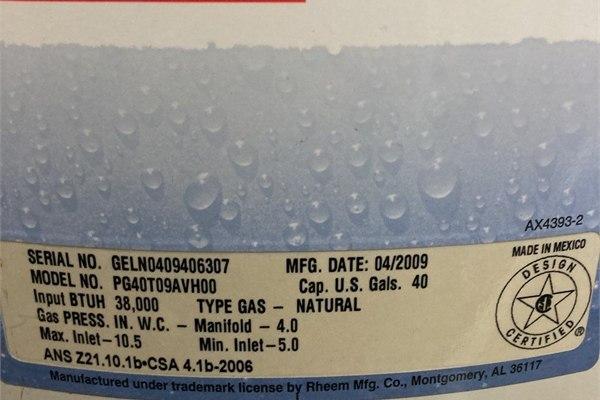
A sink leak, dishwasher leak, refrigerator line, water heater release, or nearby plumbing leak can damage cabinet boxes, toe kicks, countertops, walls, and flooring. Crain Bros Inc coordinates drying with cabinetry repair, countertop work, and surrounding room repairs instead of treating each component as a separate problem.
Framing Repair After Water Damage
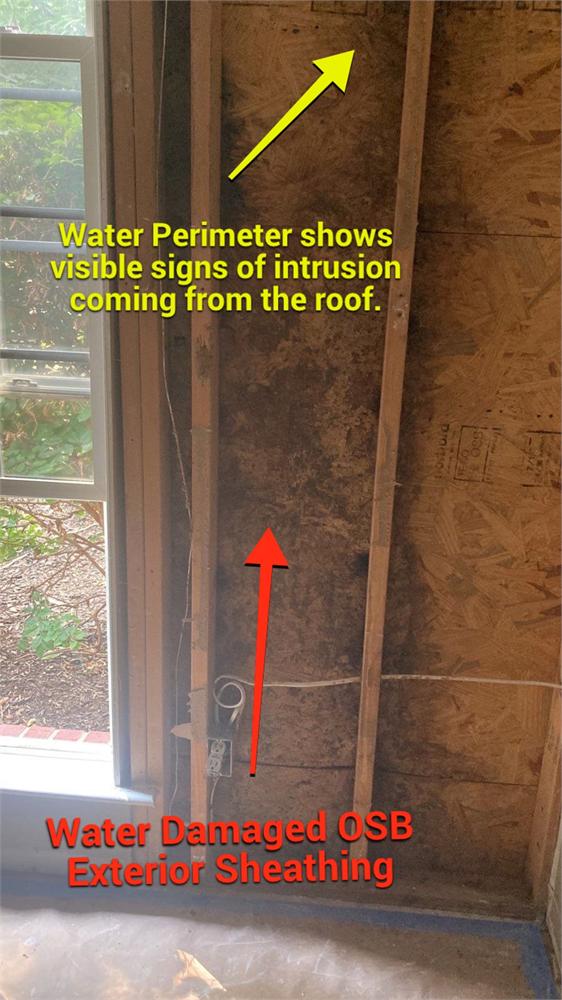
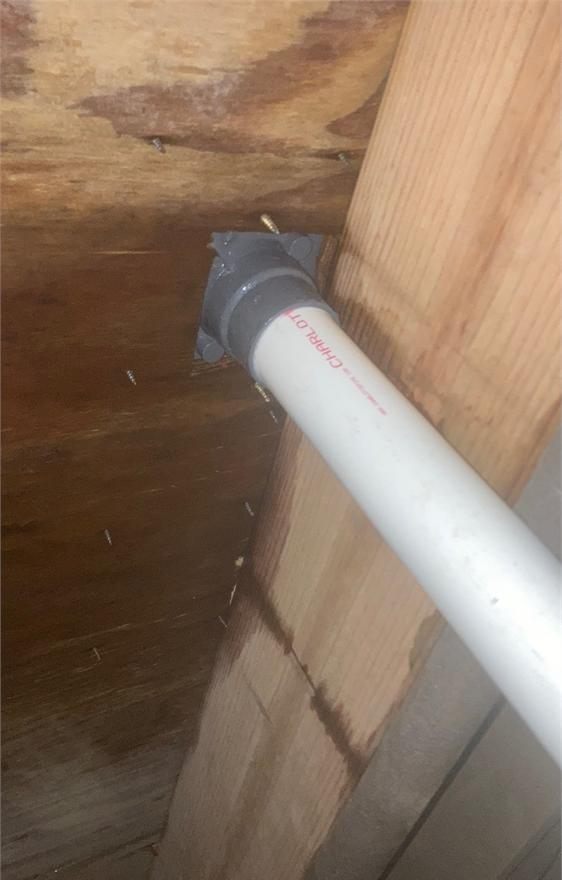
When water reaches studs, joists, trusses, decking, sheathing, or other structural members, Crain Bros Inc evaluates moisture and physical damage before the assembly is closed. Our framing repairs replace or restore damaged structural material as part of water damage reconstruction.
Wet Insulation Removal and Replacement
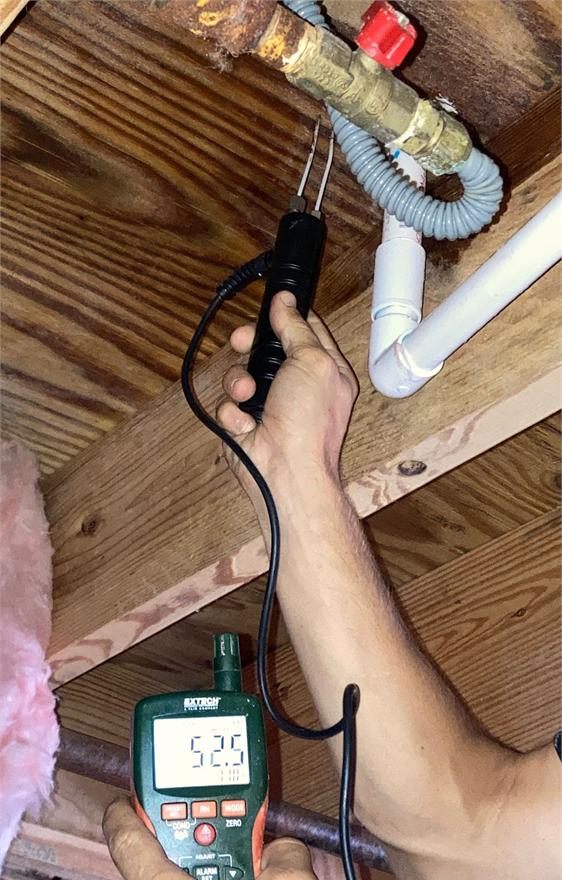
Wet insulation can hold moisture inside walls, ceilings, attics, crawlspaces, and floor assemblies. Crain Bros Inc determines whether it can remain or must be removed based on its type, exposure, contamination, condition, and access, then provides insulation replacement when the assembly is ready to close.
Electrical Repairs After Water Damage
When water reaches wiring, receptacles, switches, fixtures, panels, or electrical equipment, the system must be evaluated before normal use or reconstruction continues. Crain Bros Inc coordinates electrical repairs with water removal, drying, demolition, and reconstruction of surrounding finishes.
HVAC Condensate Drain and Water Damage Repairs
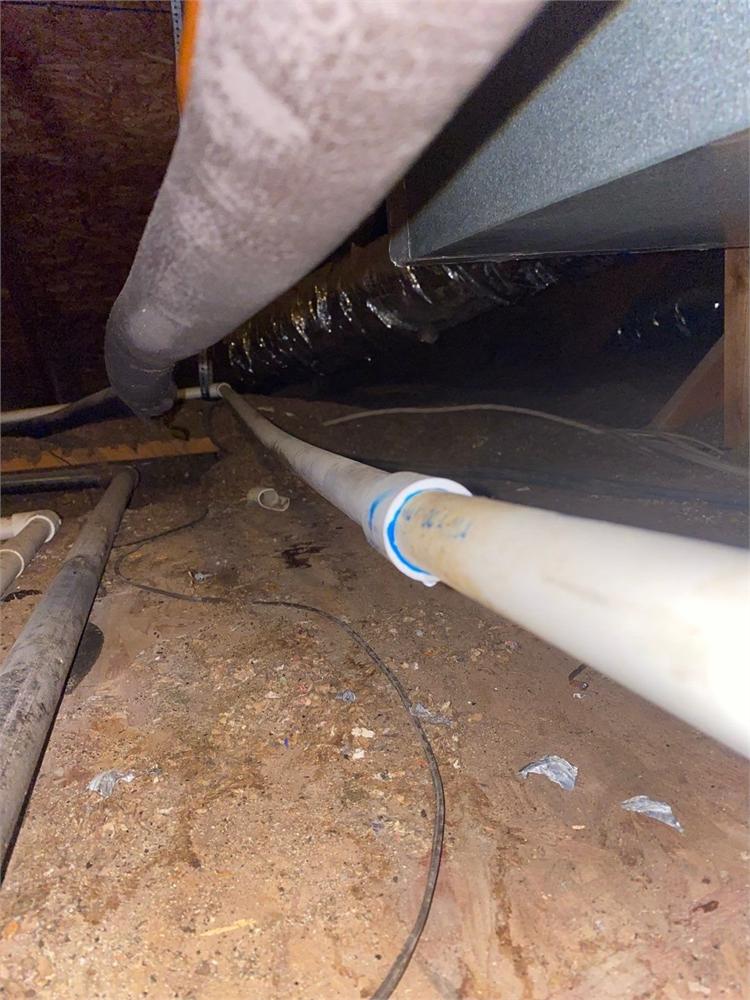
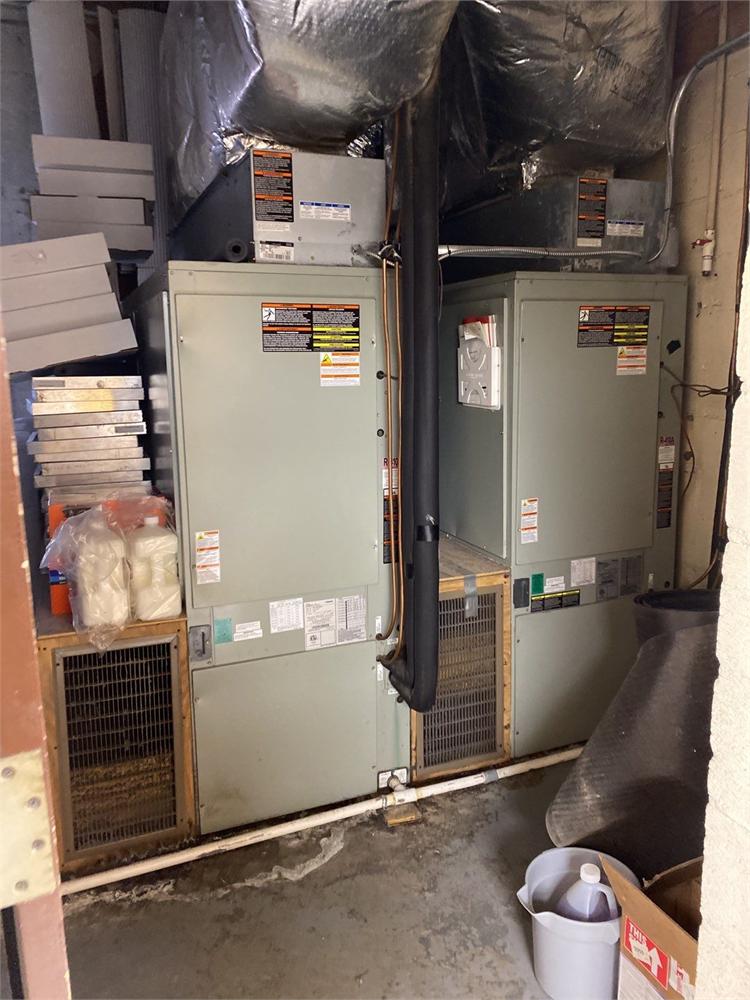
Condensate drain failures and equipment-related moisture can repeatedly damage ceilings, walls, floors, insulation, and mechanical spaces. Crain Bros Inc coordinates the HVAC repair with water cleanup, structural drying, and restoration of the affected room or mechanical area.
Window Leak Water Damage Repair
Crain Bros Inc repairs water damage caused by leaking windows and exterior openings. The solution can involve window and door work, flashing, sealants, exterior trim, wall sheathing, insulation, framing, drywall, interior trim, and paint because replacing only the visible finish may leave the entry path unresolved.
Roof Leak Water Damage Repair
Crain Bros Inc provides roof leak water damage repair from the exterior source through the affected interior. The work can include roofing repair, decking, attic insulation, framing, ceilings, drywall, trim, and paint, depending on how far the water traveled.
Personal Property and Contents Care
When water reaches furniture, documents, media, clothing, equipment, or other belongings, Crain Bros Inc connects structural restoration with Personal Property and Contents Care, including inventory, cleaning, deodorization, pack-out, storage, and recovery planning.